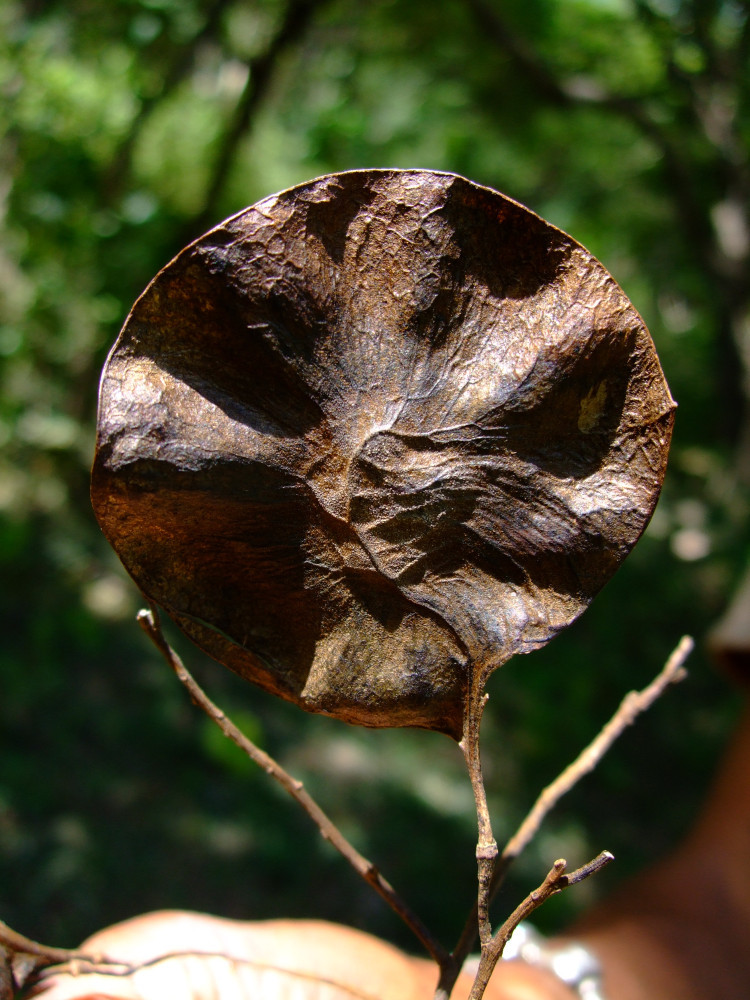
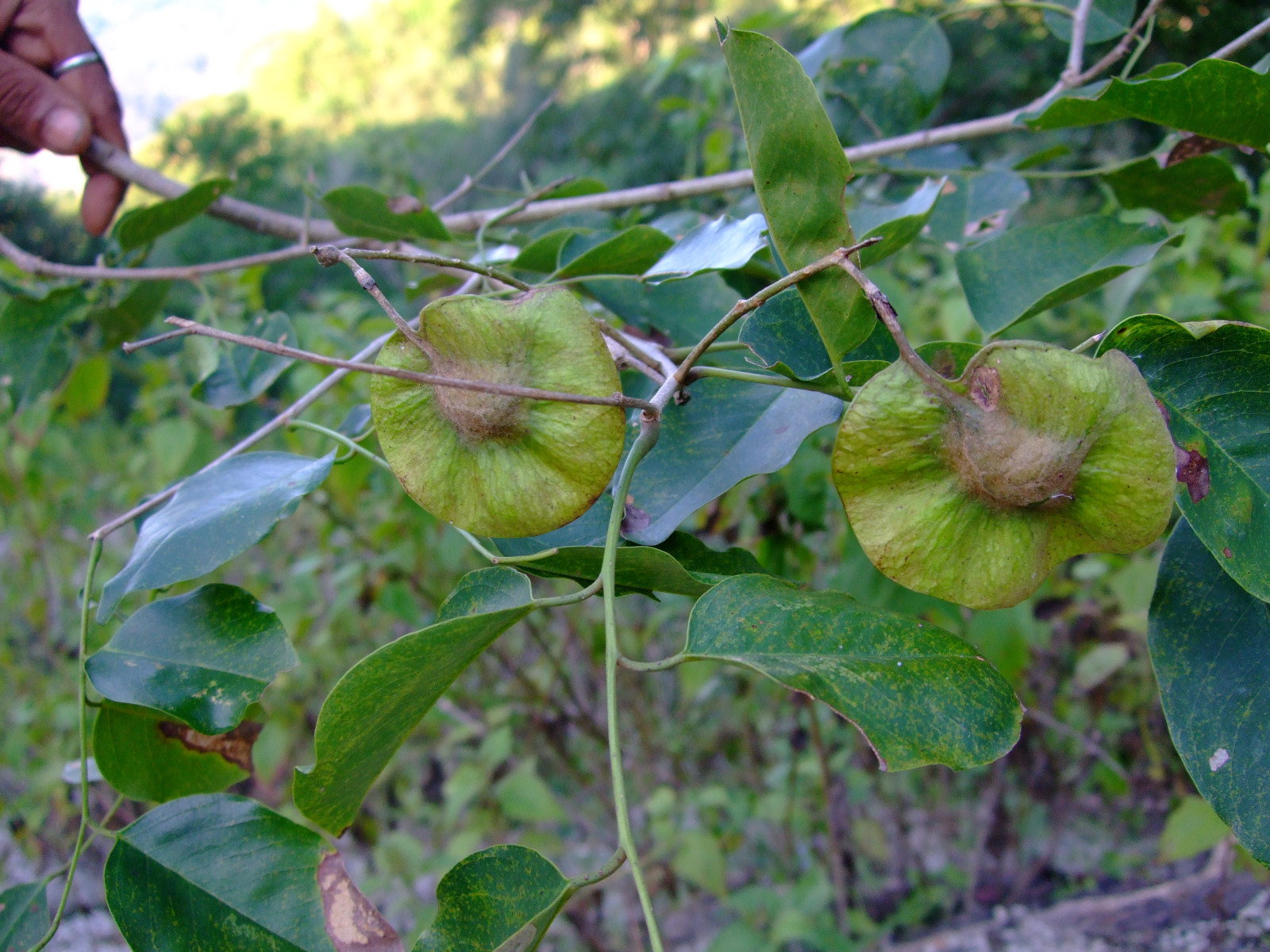
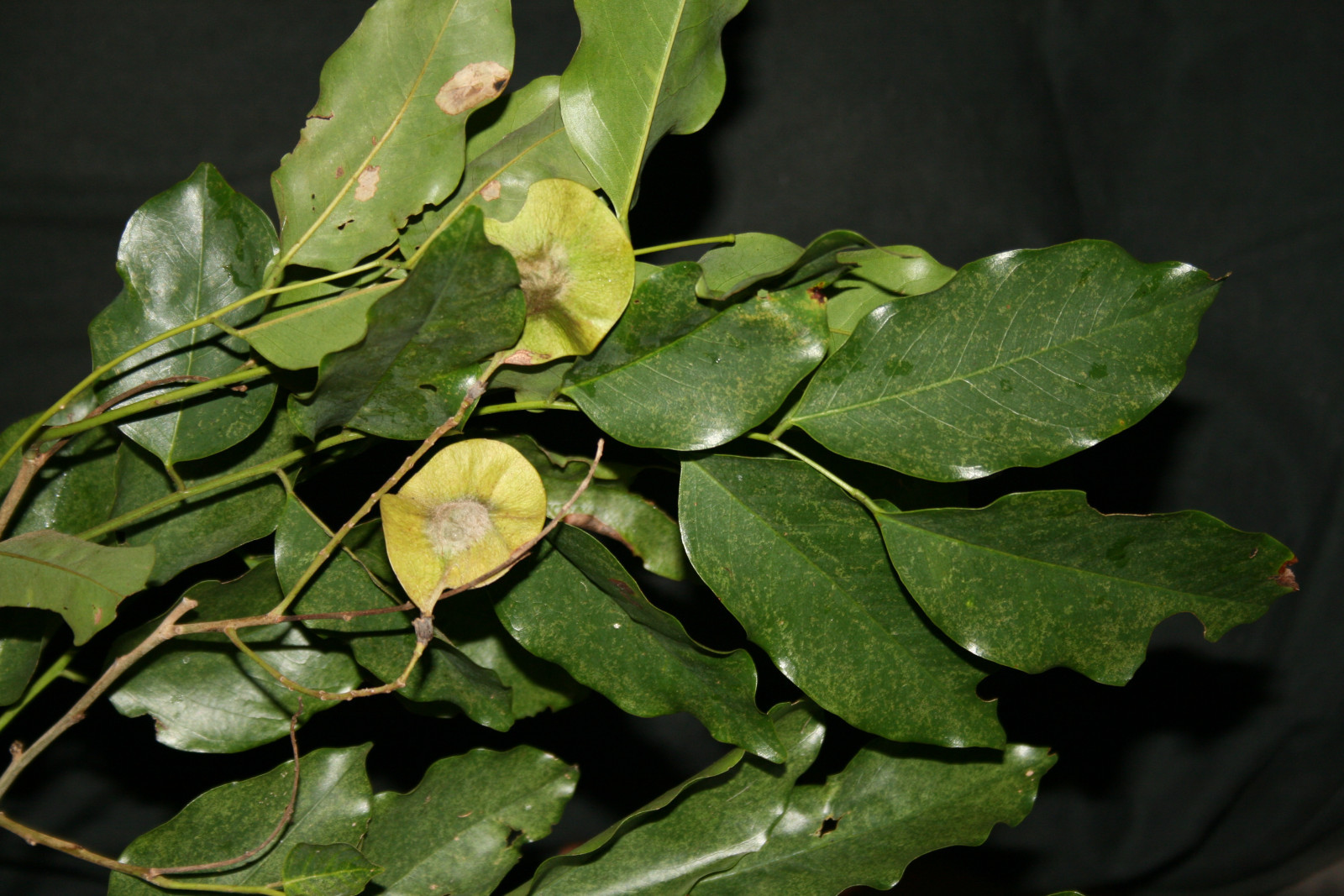
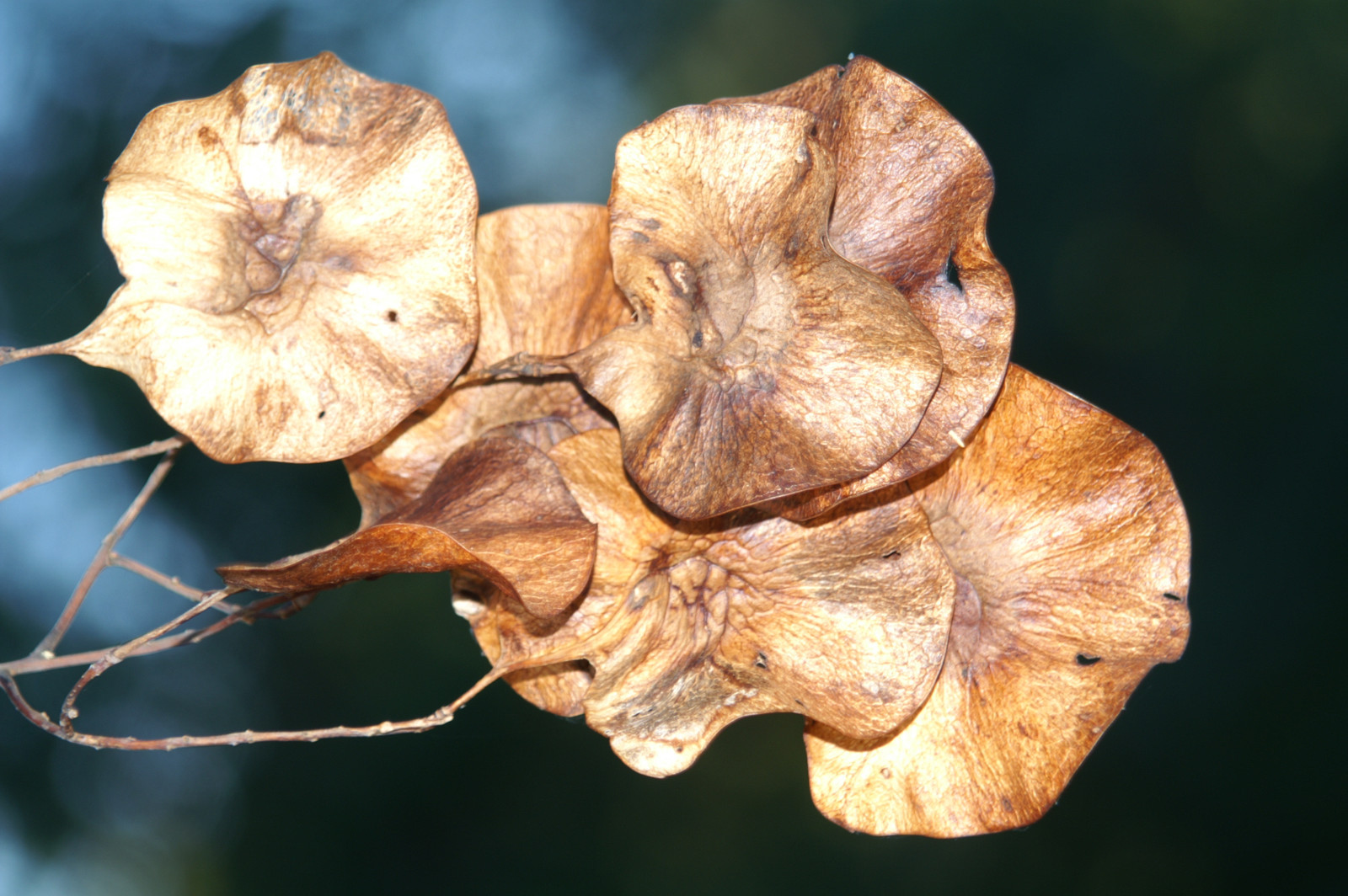
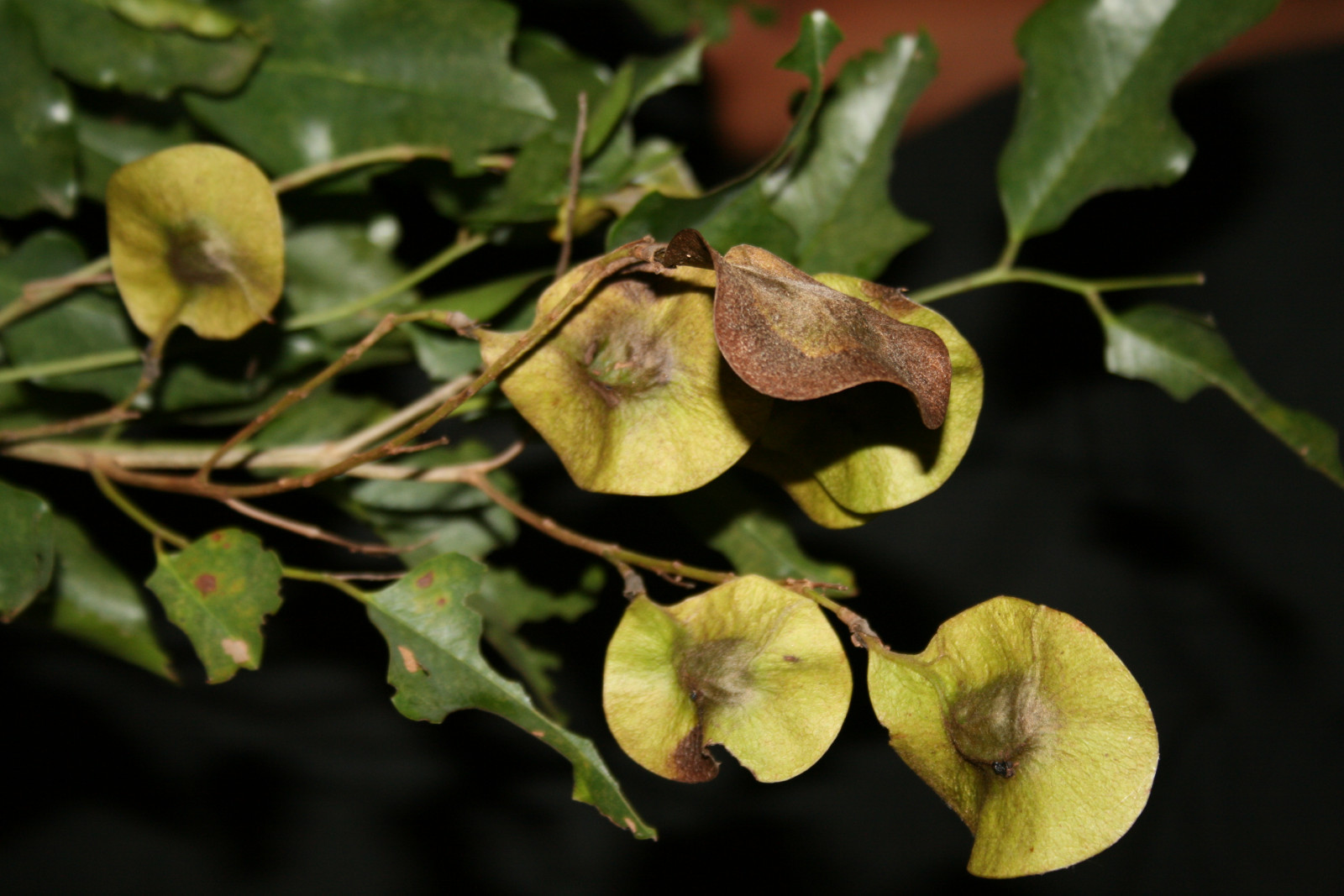
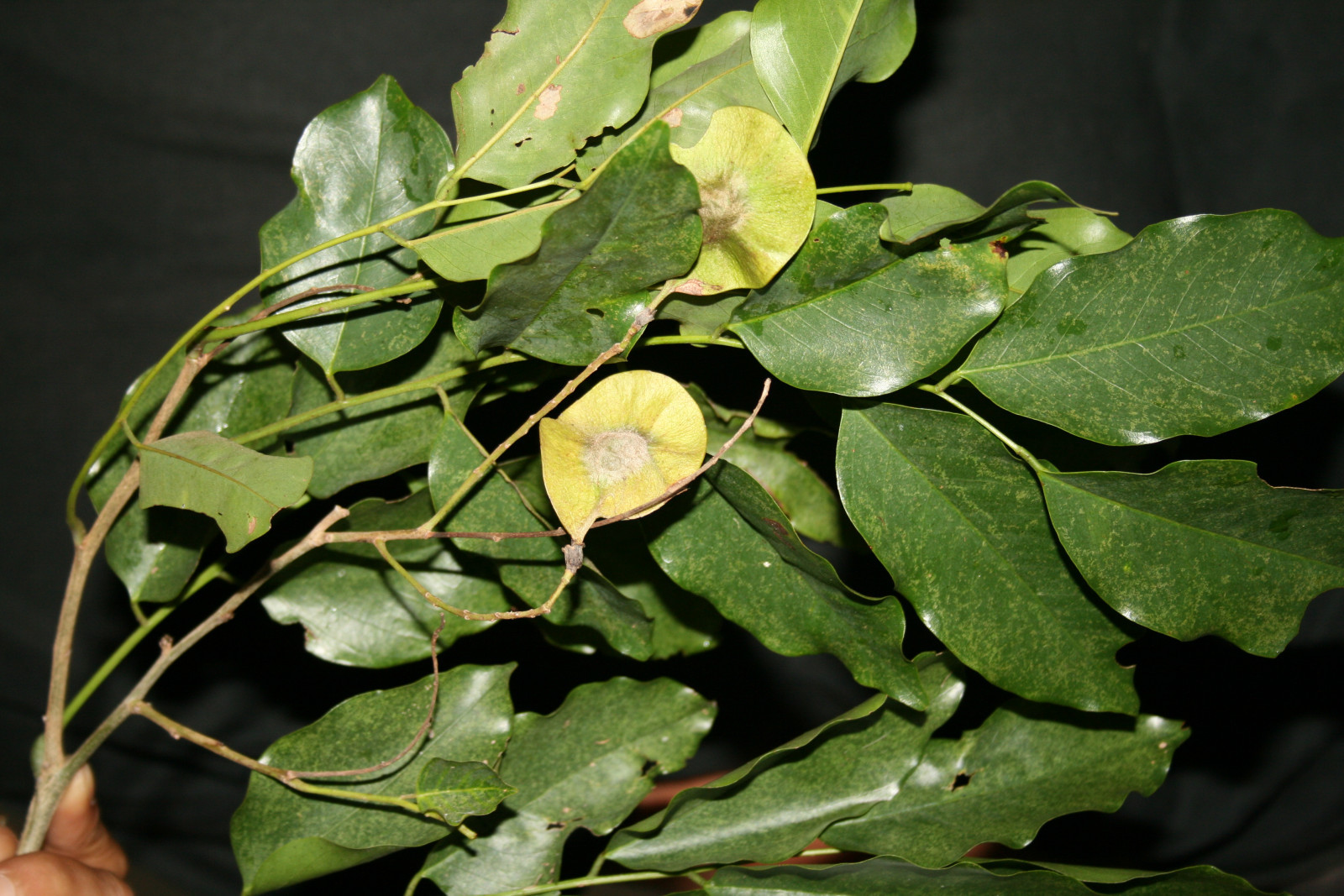
Angsana (Pterocarpus indicus) is a high-quality wood-producing plant. This angsana plant usually grows in tropical climates in Indonesia such as Sumatra, Kalimantan, Java, Sulawesi, and Maluku. This plant usually grows at an altitude of around 600-1,300 meters above sea level, with loose or rocky soil conditions. In its natural habitat, this angsana tree can grow to a height of 30-40 meters, with odd-pinnate compound leaves that are 10-20 cm long, require boards (buttress roots), its roots are prominent and jutting out, bright yellow flowers are very fragrant, and the fruit is shaped like a flat pod. The trunk of this plant is cylindrical, the bark is brownish gray, finely scaly, contains clear reddish sap, and the wood texture is hard. Because the wood from the angsana tree is known to be strong and hard, in Timor, angsana wood is often used as a base and a kalat cover (which is a place for whiting made from bone), and in the Boti area, angsana wood or in the local language called matani wood is used as a pillar for traditional houses (lopo), and is used as a Lopo pupun, which is a carving on the top of the Lopo roof.
Angsana (Pterocarpus indicus) adalah tanaman penghasil kayu dengan kualitas tinggi. Tanaman angsana ini biasanya tumbuh di daerah beriklim tropis di Indonesia seperti daerah Sumatera, Kalimantan, Jawa, Sulawesi, dan Maluku. Tanaman ini biasanya tumbuh di ketinggian sekitar 600-1.300 mdpl, dengan kondisi tanah yang gembur atau tanah berbatu. Di habitat aslinya, pohon angasa ini mampu tumbuh hingga mencapai ketinggian 30-40 meter, dengan daun berbentuk majemuk menyirip gasal yang memiliki panjang 10-20cm, berakar papan (akar banir), akarnya menonjol dan menjorok keluar, bunga berwarna kuning cerah yang sangat harum, dan buah berbentuk polong pipih. Batang tanaman ini berbentuk silindris kulit kayu warna abu-abu kecoklatan, bersisik halus, bergetah bening kemerahan, dan tekstur kayunya keras. Karena kayu dari pohon angsana terkenal kuat dan keras, di Timor kayu angsana sering digunakan sebagai alas, dan tutup kalat (yaitu tempat kapur sirih dari bahan tulang), dan di daerah Boti kayu angsana atau dalam bahasa local disebut kayu matani digunakan sebagai tiang rumah adat (lopo), serta digunakan sebagai Lopo pupun yaitu ukiran yang berada dipuncak atap Lopo.
Plant names will not be accurate until the relationships
between cultural groups, locations & languages are completed. Names, including english &
indonesian, are added via the plant edit view.
Local Name
Cultural Group
Language
Nara
No cultural group given
Bima
Dictionary of Plant Names in the Lesser Sunda Islands
Nara
No cultural group given
Komodo
Dictionary of Plant Names in the Lesser Sunda Islands
Nara
No cultural group given
Manggarai
Dictionary of Plant Names in the Lesser Sunda Islands
Nara
No cultural group given
Kepo’
Dictionary of Plant Names in the Lesser Sunda Islands
Déndé
No cultural group given
Wae Rana
Dictionary of Plant Names in the Lesser Sunda Islands
Nara
No cultural group given
Rajong
Dictionary of Plant Names in the Lesser Sunda Islands
Nara
No cultural group given
Rembong
Dictionary of Plant Names in the Lesser Sunda Islands
D'éndé
No cultural group given
Rongga
Dictionary of Plant Names in the Lesser Sunda Islands
Dhédé
Flores - Bajawa/Ngada
Ngad’a
Dictionary of Plant Names in the Lesser Sunda Islands
Nara
No cultural group given
Nage
Dictionary of Plant Names in the Lesser Sunda Islands
Nara
Flores - Ende-lio
Li'o
Dictionary of Plant Names in the Lesser Sunda Islands
Kenáwa
Sumba - Lewa-Kambera
Kambera
Dictionary of Plant Names in the Lesser Sunda Islands
Aré
Raijua
Sabu
Dictionary of Plant Names in the Lesser Sunda Islands
Campaga
Flores - Krowe
Sika
Dictionary of Plant Names in the Lesser Sunda Islands
Sendana laki
Flores - Krowe
Sika
Dictionary of Plant Names in the Lesser Sunda Islands
Sampaga
Flores - Krowe
Sika
Dictionary of Plant Names in the Lesser Sunda Islands
Kena'a
Flores - Lamaholot
Lamaholot
Dictionary of Plant Names in the Lesser Sunda Islands
Kenaha
Flores - Lamaholot
Lamaholot
Dictionary of Plant Names in the Lesser Sunda Islands
Ansana
Flores - Lamaholot
Lamaholot
Dictionary of Plant Names in the Lesser Sunda Islands
Naré
No cultural group given
Kedang
Dictionary of Plant Names in the Lesser Sunda Islands
Matani
Timor - Amanuban
Uab Meto
Plant uses now includes materials from the CDB. Does this
connection make sense? Uses are added via the plant edit view.
Category
Cultural Group
Material
Part Used
Color
Non-fibre craft
Timor - Amanatun
No material given
No parts given
No Colour Selected
Lukas Misa
Yansen Alfred Tuan
No date given
Matani wood is use to make the base and the lid of kalat, lime container that made from bone.
Kayu matani dipakai sebagai alas dan tutup kalat yaitu tempat kapur sirih dari bahan tulang
In the Amanuban area, especially in Boti Village, wood from the matani tree (Pterocarpus indicus) is used as building material for the lopo pupun house,when building the ume kbubu traditional house.
Di daerah Amanuban khususnya desa Boti, kayu dari pohon matani (Pterocarpus indicus) digunakan sebagai material bangunan pada bagian rumah lopo pupu, saat membangun rumah adat ume kbubu.
Kayu Matani biasanya digunakan untuk bahan dasar pembuatan "bninis" (alat tradisional untuk pemisah kapas dari bijinya).
Matani wood is typically used as the base material for making the *bninis* (a traditional tool for separating cotton from its seeds).
Plant uses now includes materials from the CDB. Does this
connection make sense? Uses are added via the plant edit view.
No technique given
Motif information is coming from CDB. Clicking on the image
will take the user to the CDB motif show page in new tab. Motifs are added via the plant edit
view. Note: the motif has to exist already.
No motifs given
Specimens are added via the plant edit view or via specimens
index view.

.jpg)