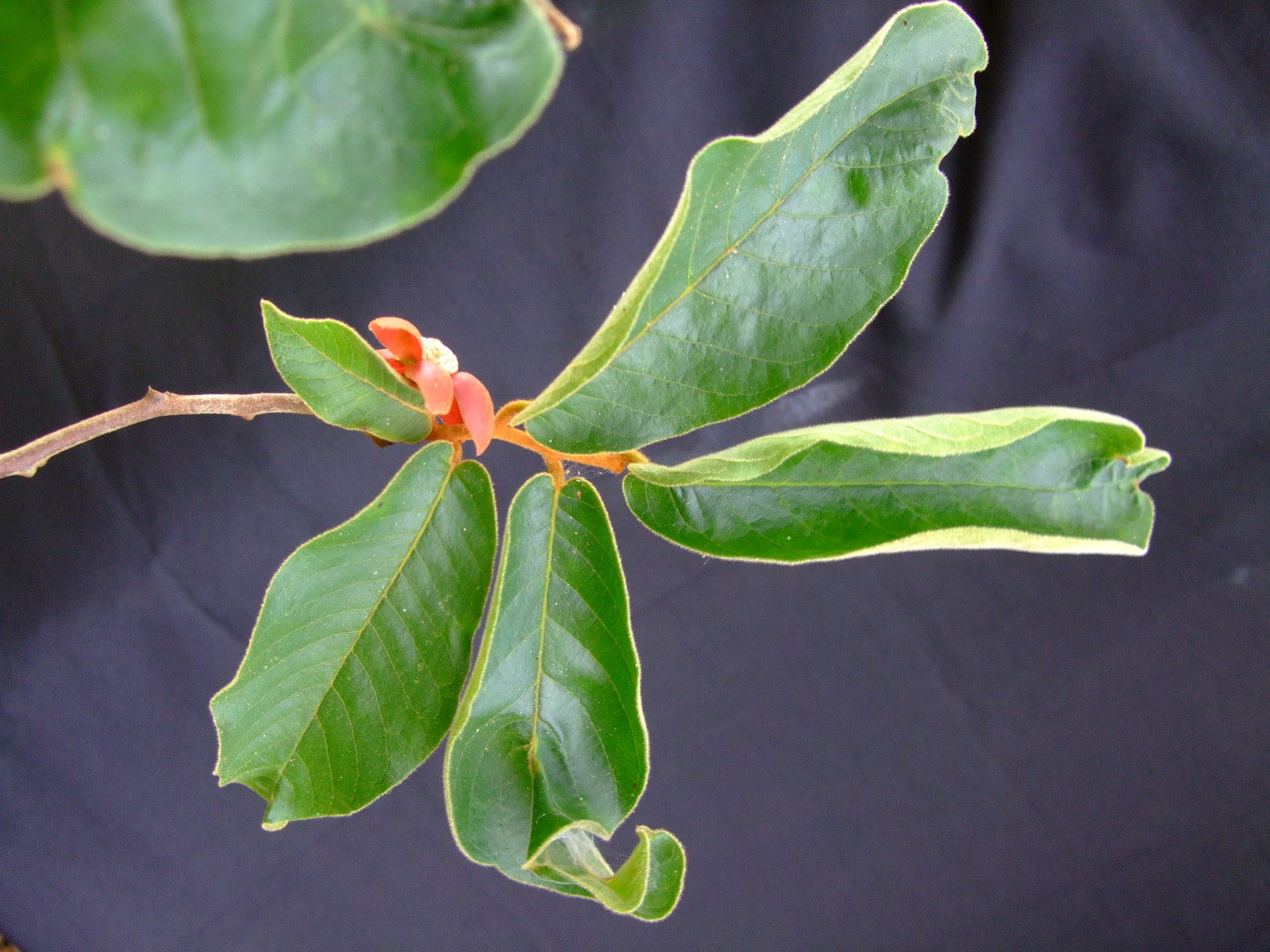
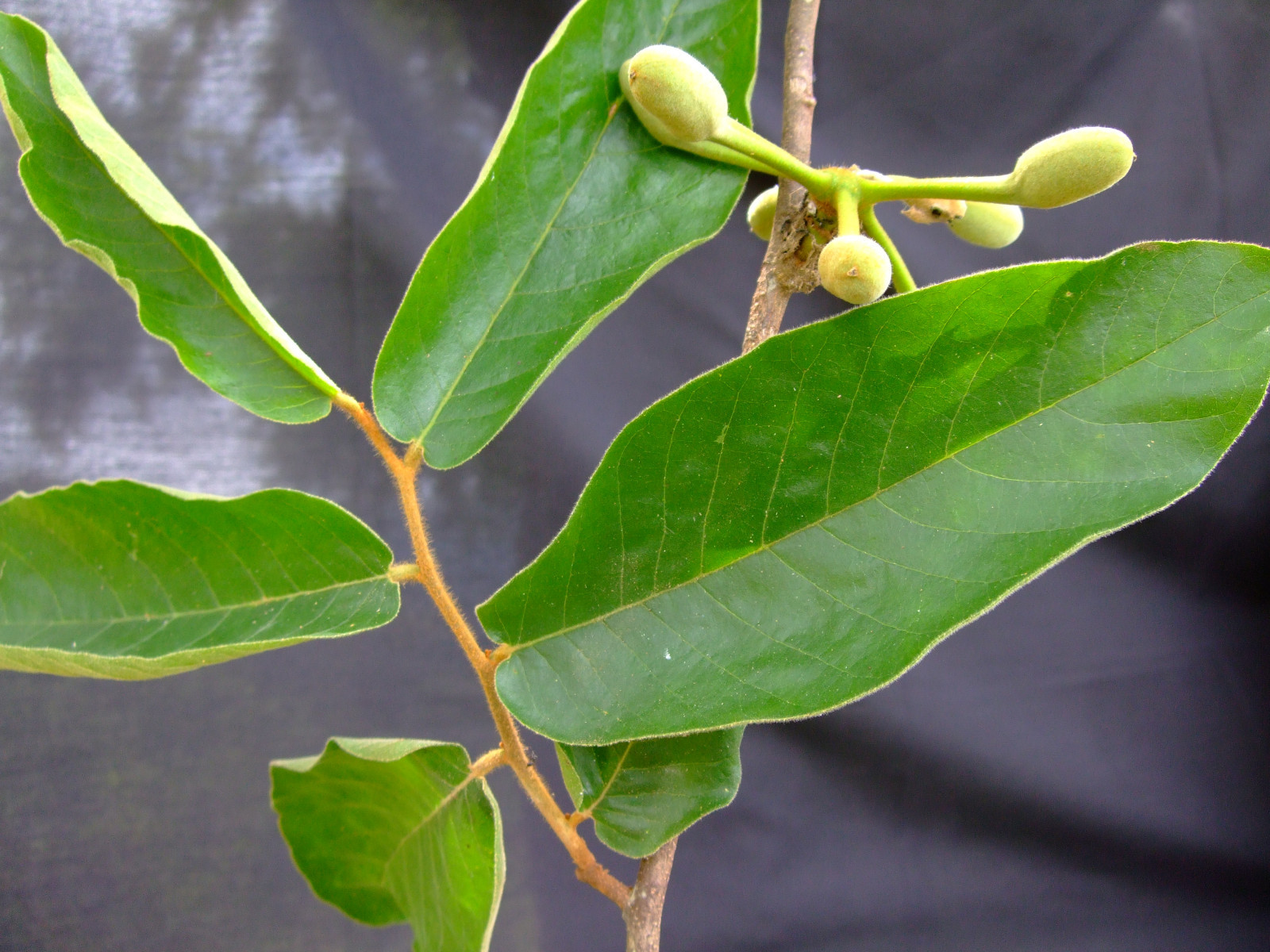
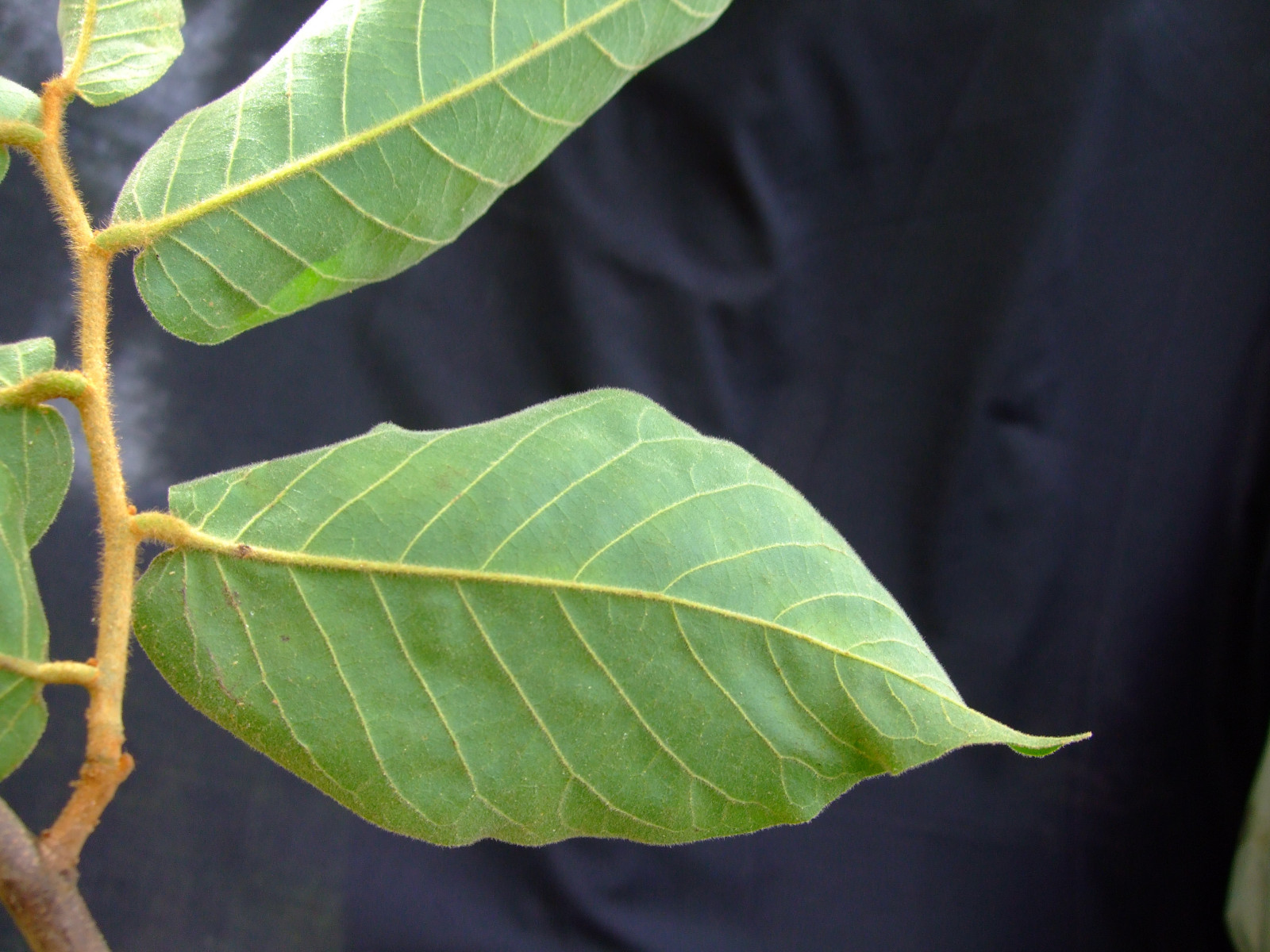
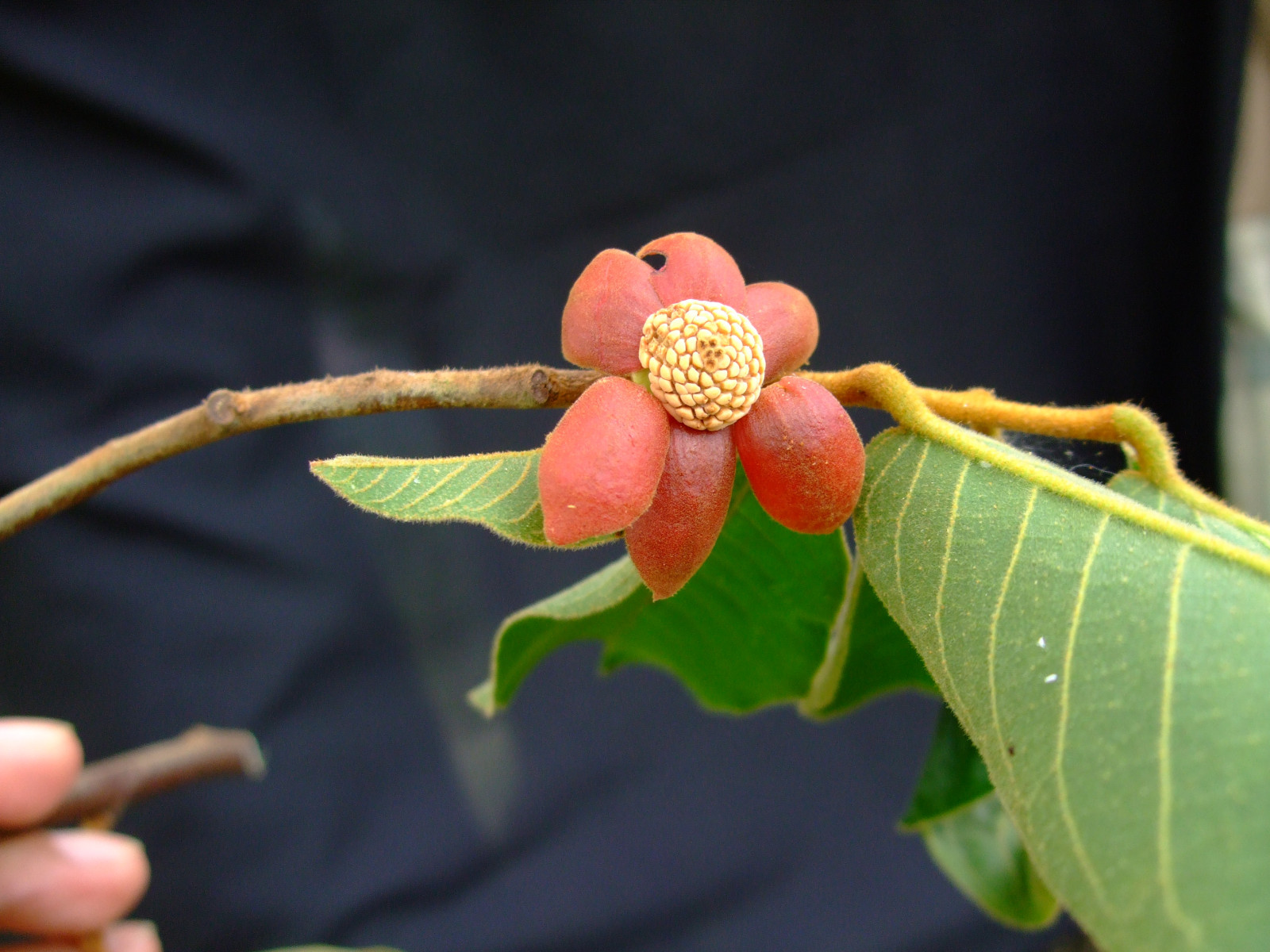
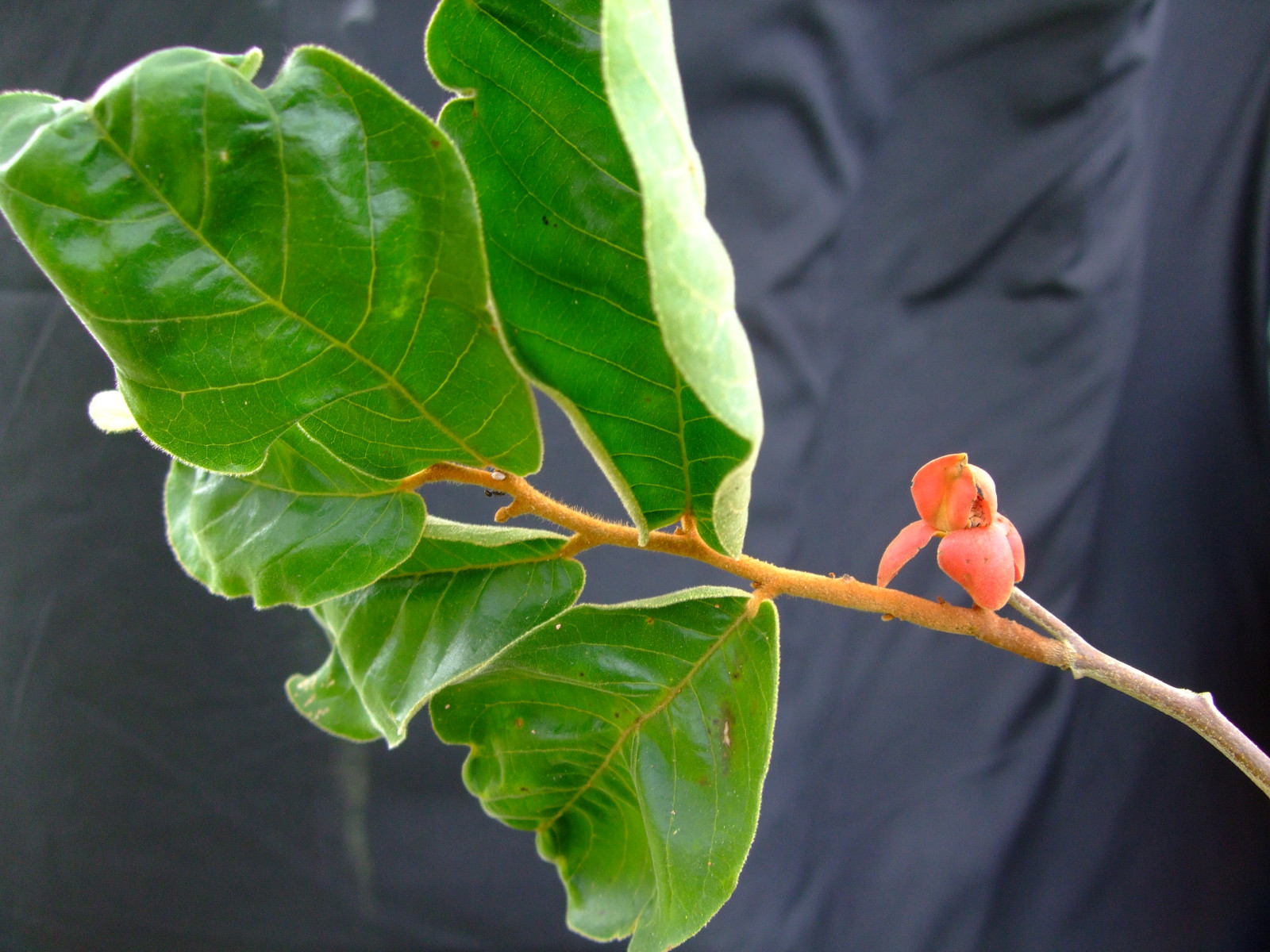
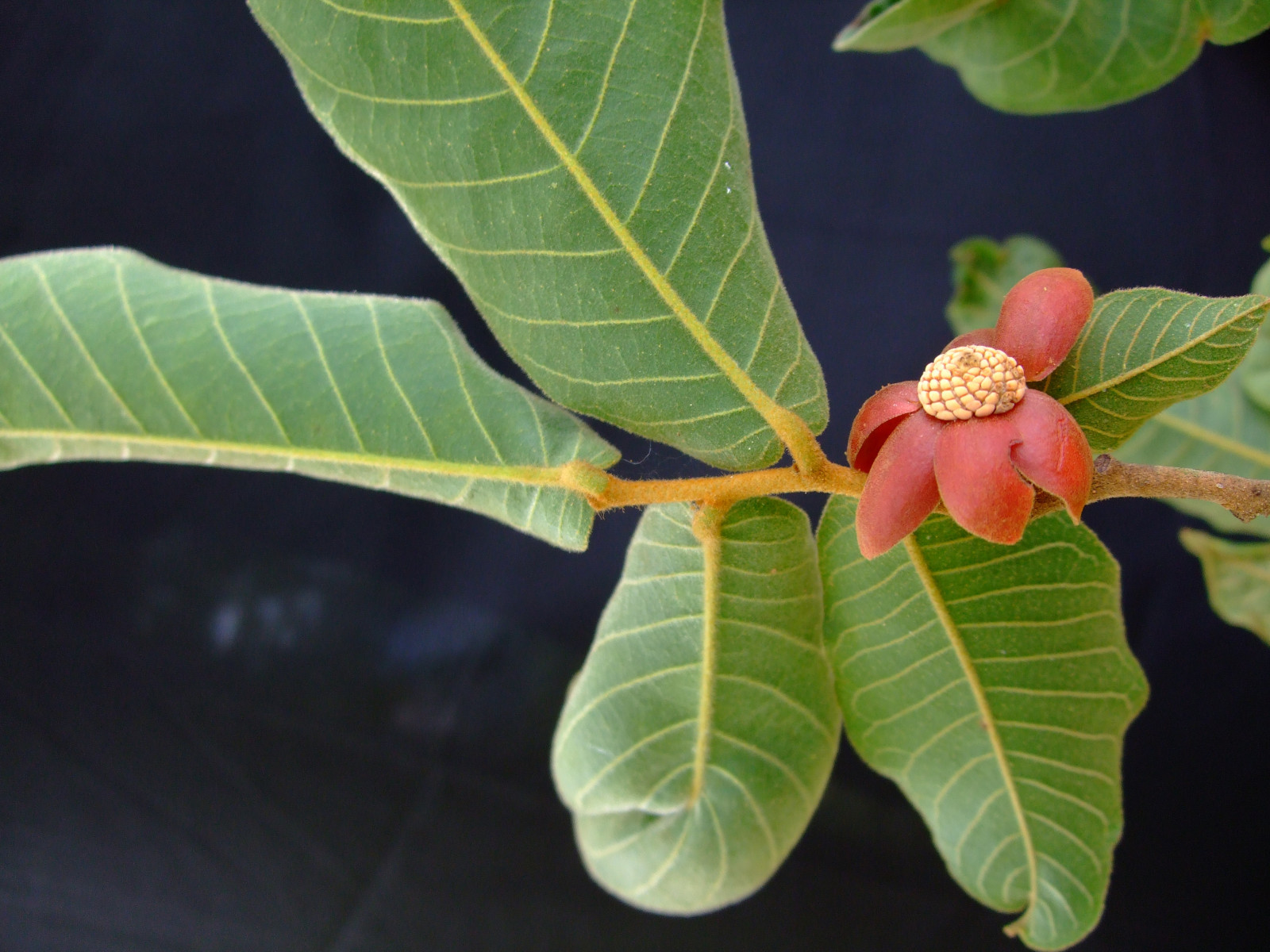
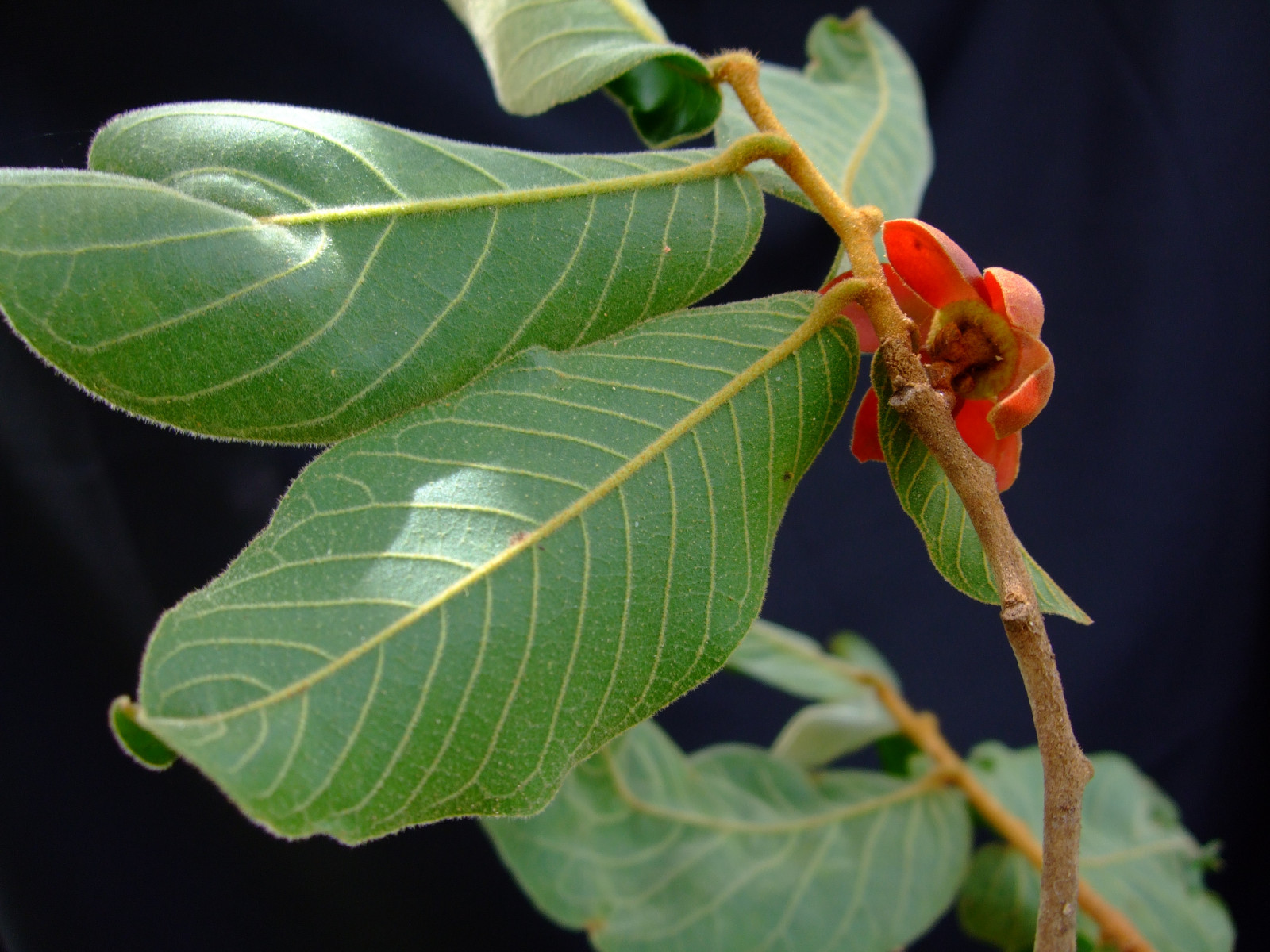
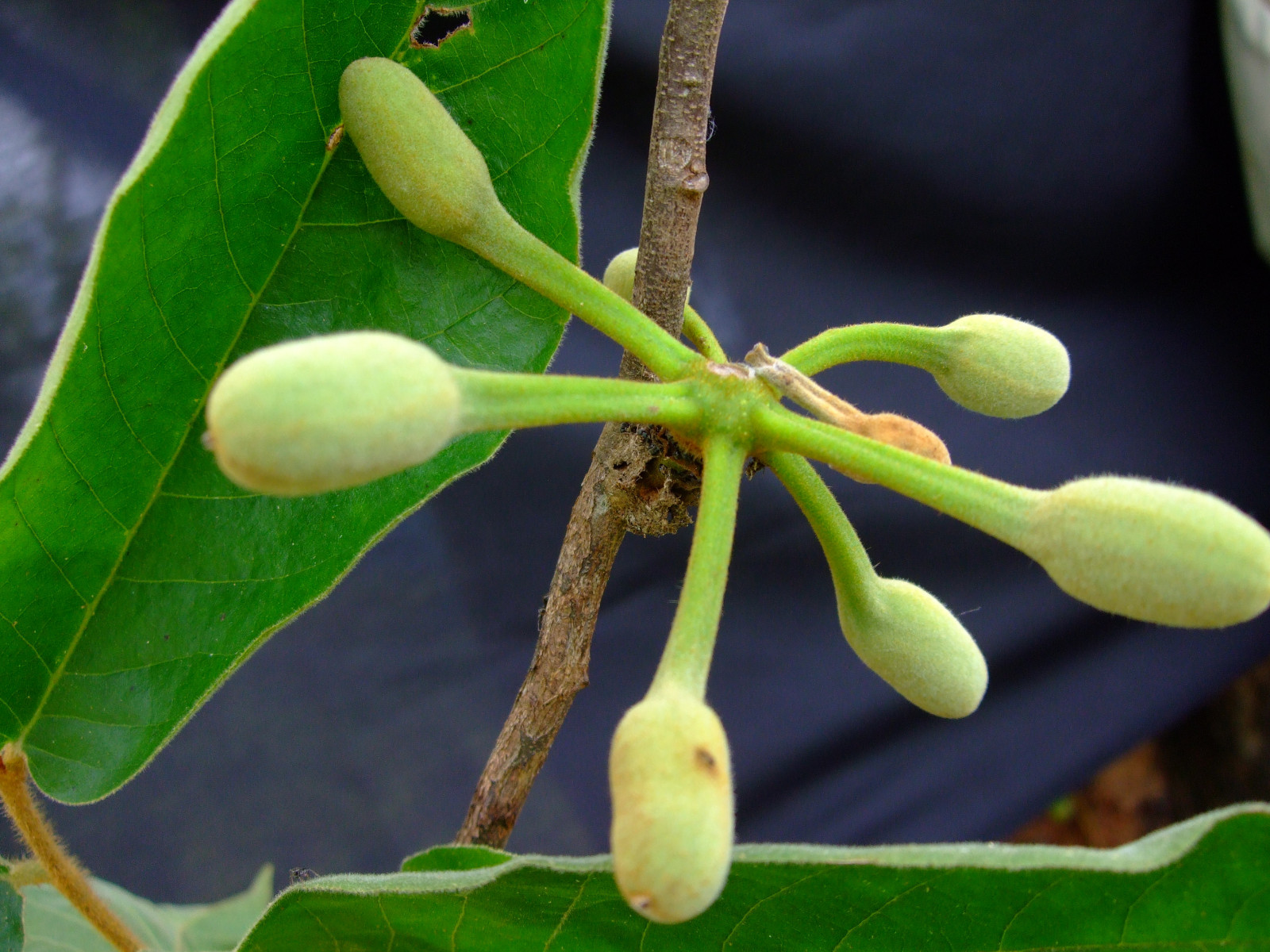
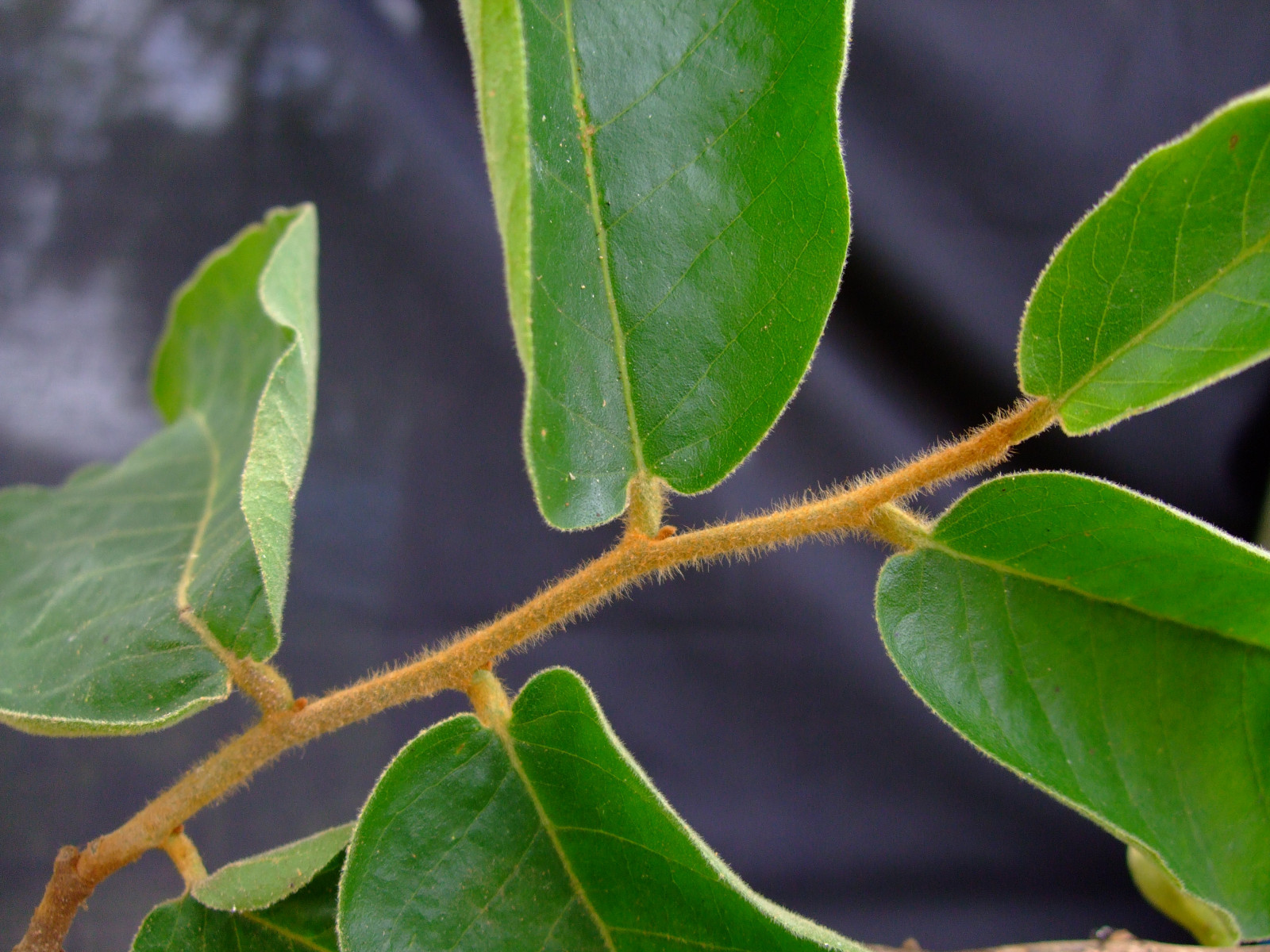
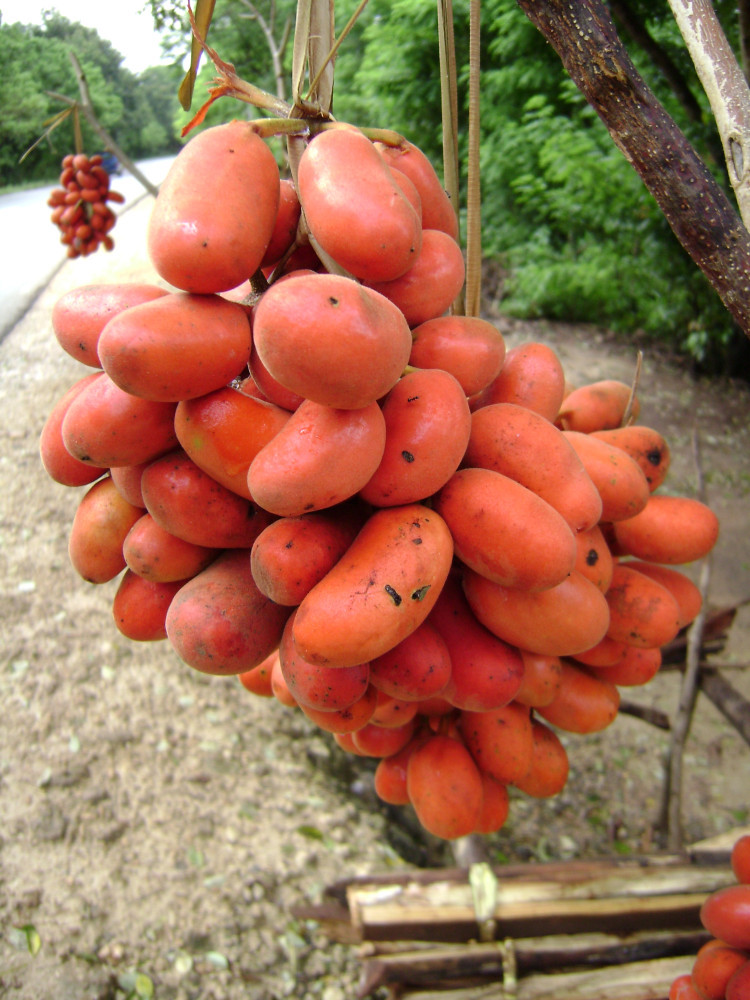
(Uvaria rufa) is a type of climbing plant or shrub known in Indonesia by the local name "lelak" which is included in the Annonaceae family. This plant grows at an average altitude of around 700-900 meters above sea level, in tropical climates, and can grow in dry soil such as in the NTT region. This plant can grow wrapped around the plants it is attached to up to 4 meters in height, the leaves are alternate, elongated, green pinnate, red flowers with 4 or 6 petals, reddish orange fruit when ripe and clumped together on one fruit stalk, and elastic and flexible woody stems. Lelak (Uvaria rufa) has different local names in each region such as in the Timor Amanuban area, especially the Boti area, this plant is called "koknaba". In Boti this plant has several benefits, one of which is that the trunk can be used as a material for making traditional houses, especially on the curved wood parts because the wood of this plant is very flexible so it is suitable for use as a curved frame. Apart from that, in the Flores – Ende area, the leaves of this plant are used in the oiling process to oil thread.
(Uvaria rufa) merupakan jenis tanaman merambat atau semak yang dikenal di indonesia dengan nama lokal "lelak" yang masuk ke dalam famili Annonaceae. Tanaman ini tumbuh diketinggian rata rata sekitar 700-900 mdpl, di daerah beriklim tropis, dan dapat tumbuh di tanah yang kering seperti di daerah NTT. Tanaman ini bisa tumbuh melilit pada tanaman yang ditempelinya hingga mencapai ketinggian 4 meter, daunnya berseling berbentuk menyirip memanjang berwarna hijau, bunga berwarna merah berkelopak 4 atau 6, buah berwarna orange kemerahan ketika sudah matang serta berumpun banyak pada satu tangkai buah, dan batang berkayu yang elastis dan lentur. Lelak (Uvaria rufa) memiliki nama lokal yang berbeda beda di setiap daerah seperti di daerah Timor Amanuban khususnya daerah Boti, tanaman ini disebut "koknaba". Di Boti tanaman ini memiliki beberapa manfaat salah satunya yaitu batangnya bisa digunakan sebagai bahan untuk membuat rumah adat, khususnya pada bagian kayu melengkungnya karena kayu dari tanaman ini sangat lentur sehingga cocok untuk digunakan sebagai rangka melengkungnya. Selain itu di daerah Flores – Ende, daun dari tanaman ini digunakan dalam proses peminyakan untuk meminyaki benang.
