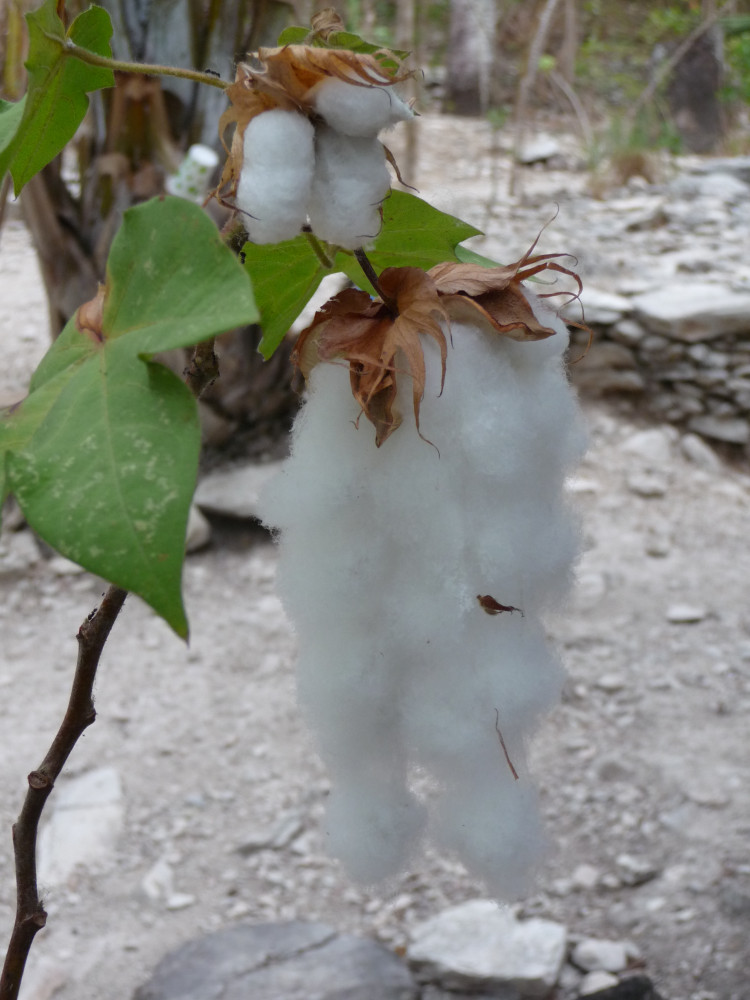
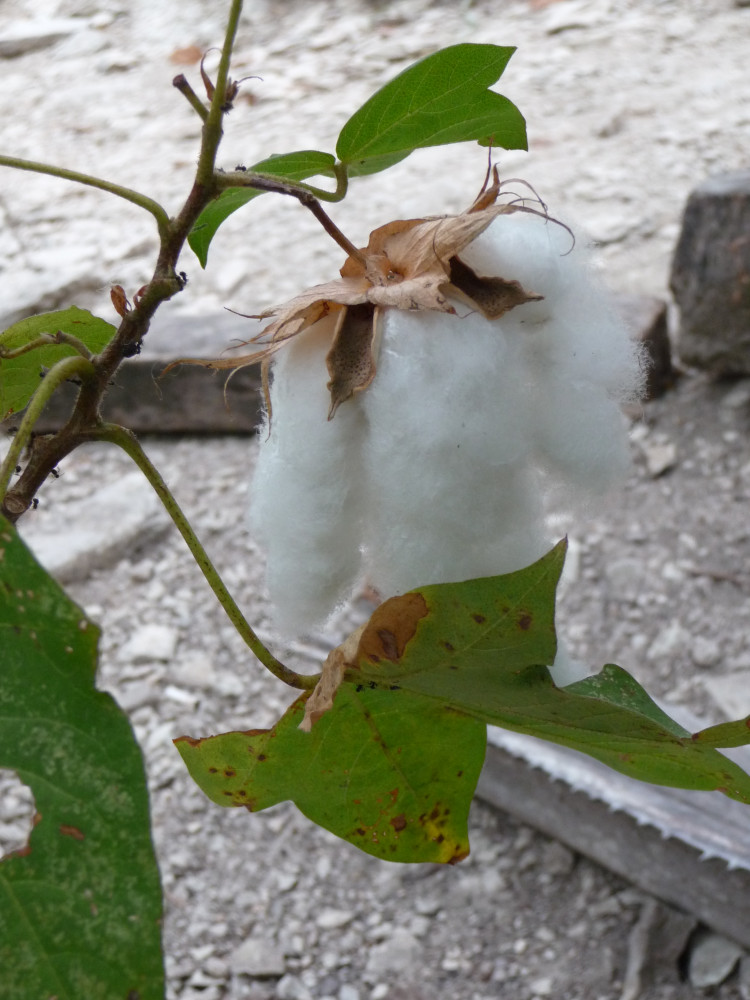
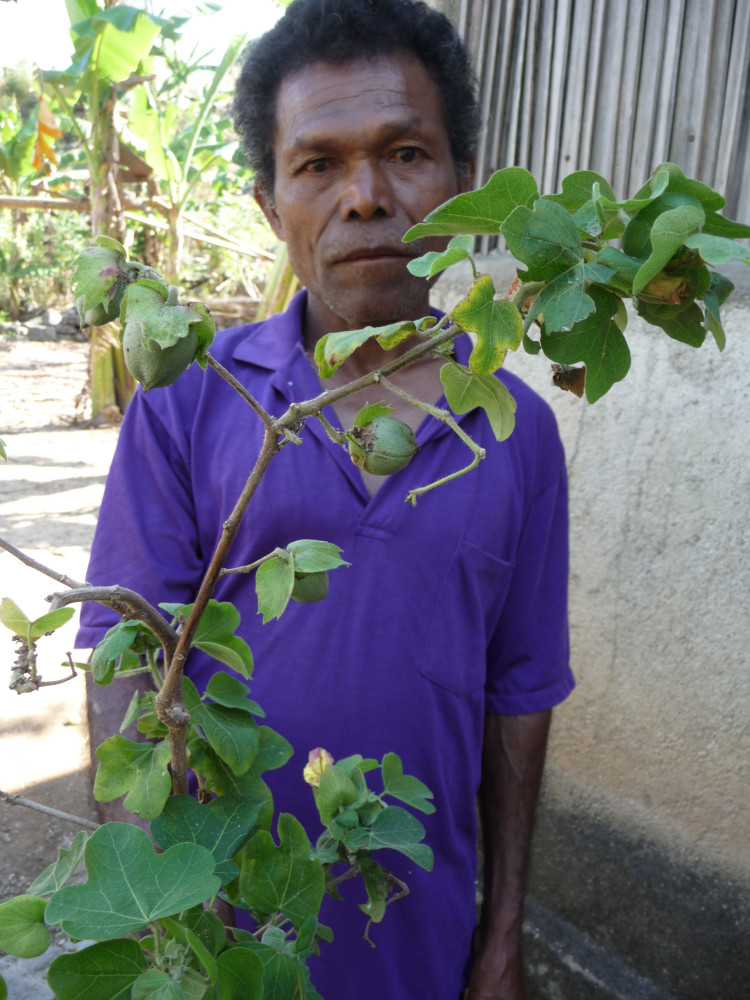
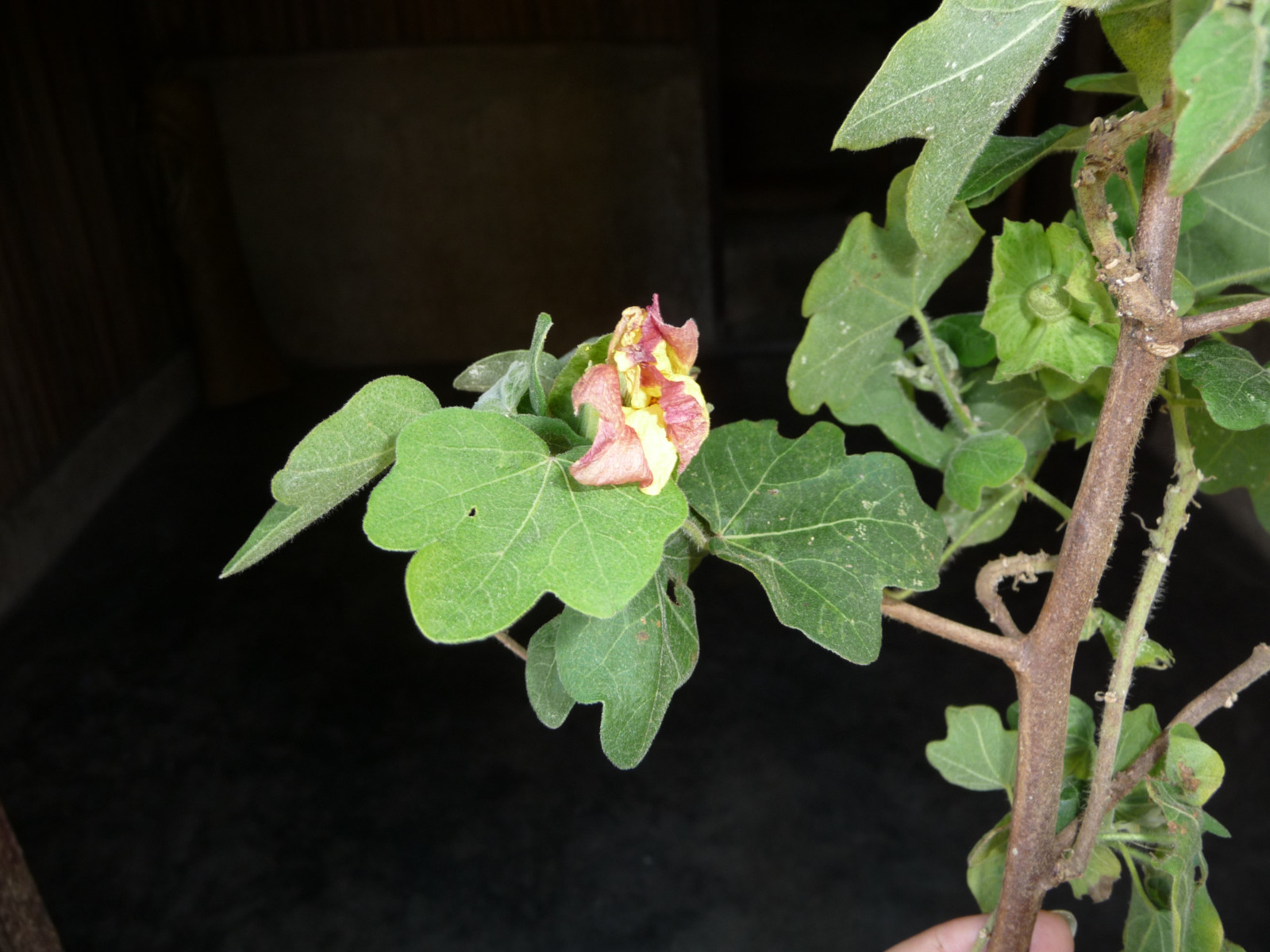
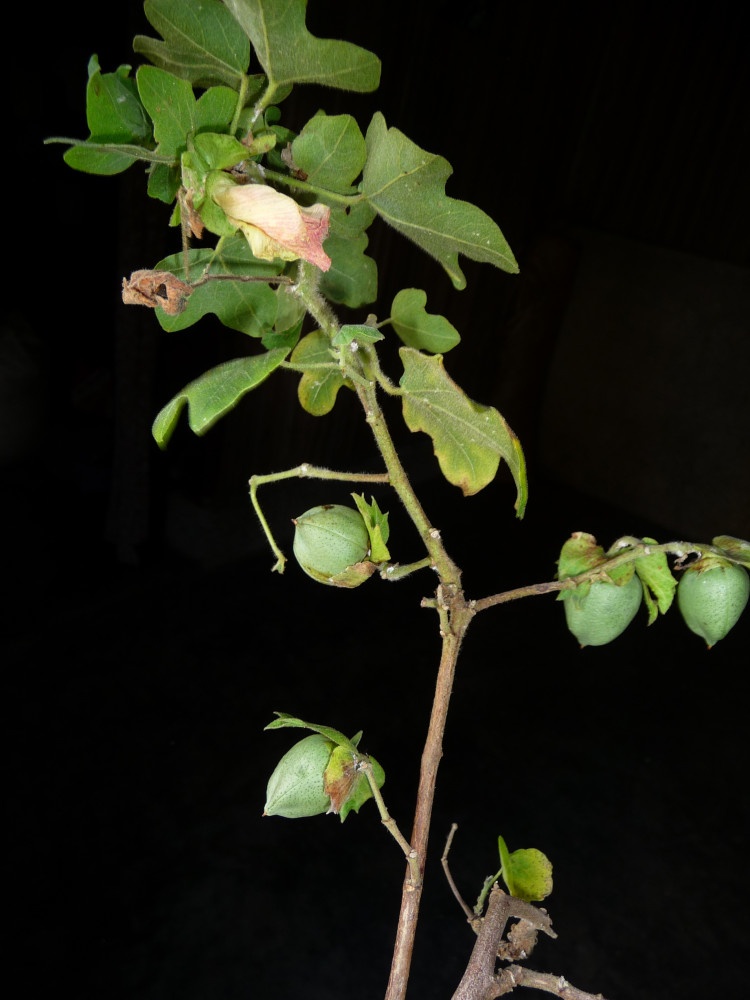
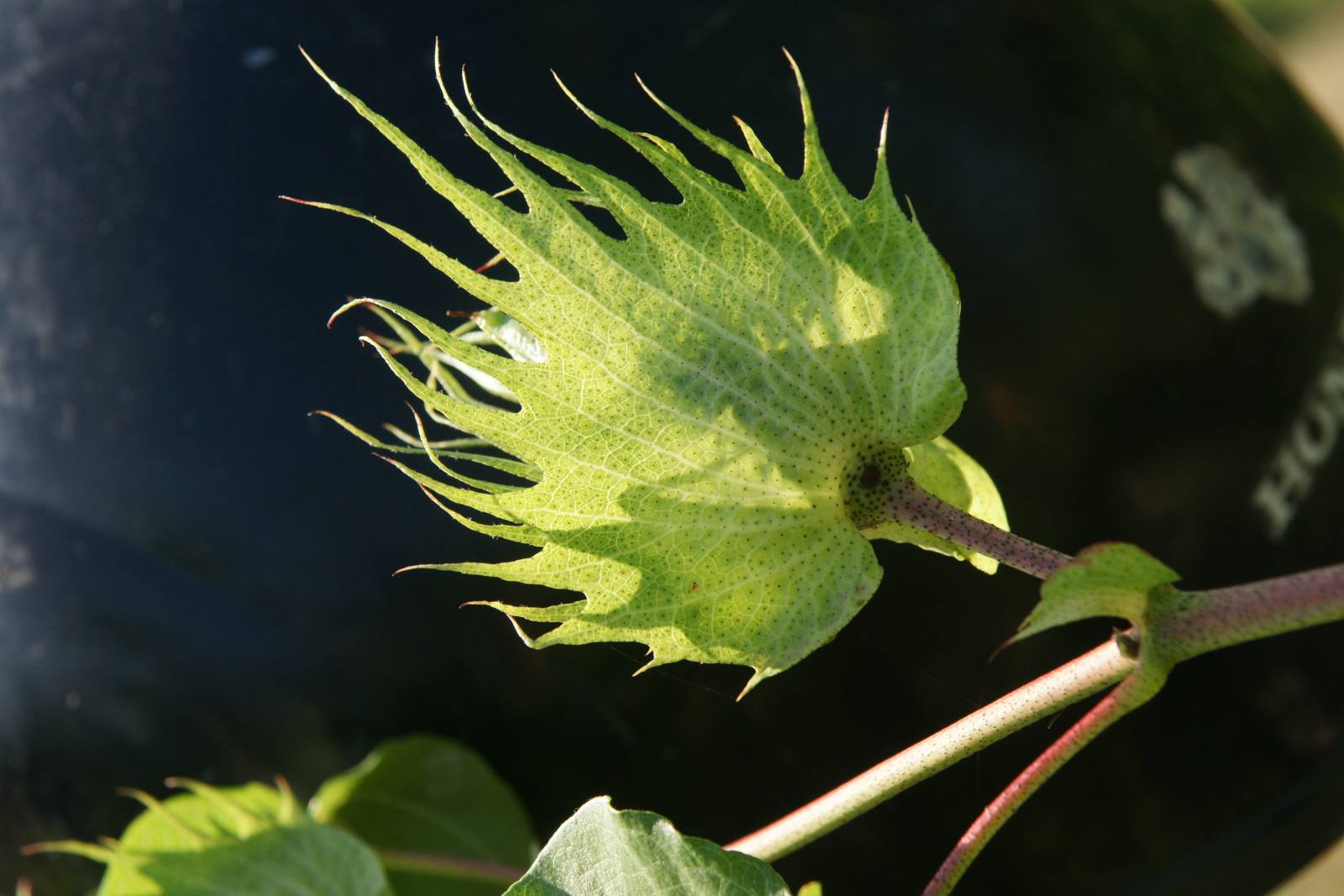
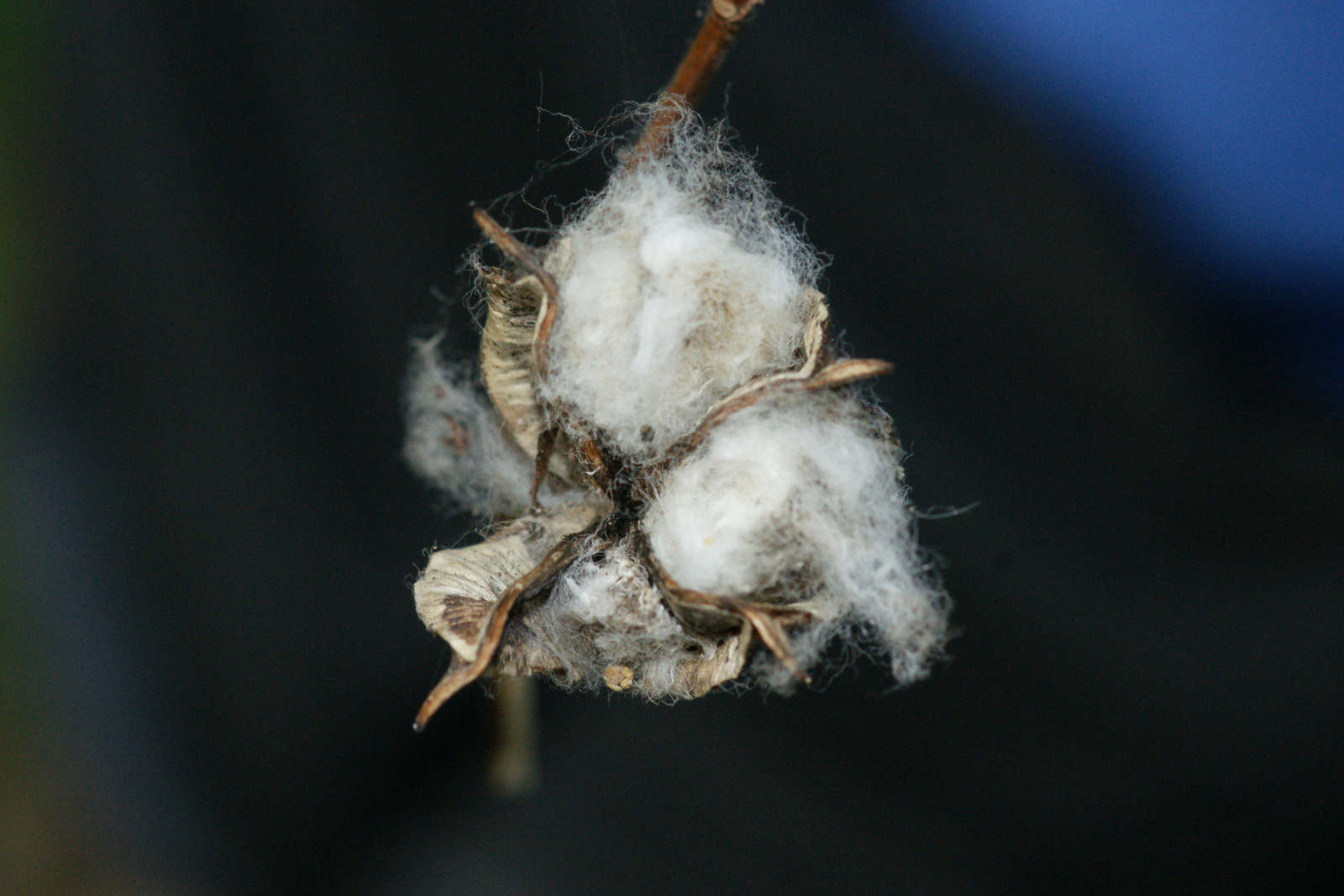
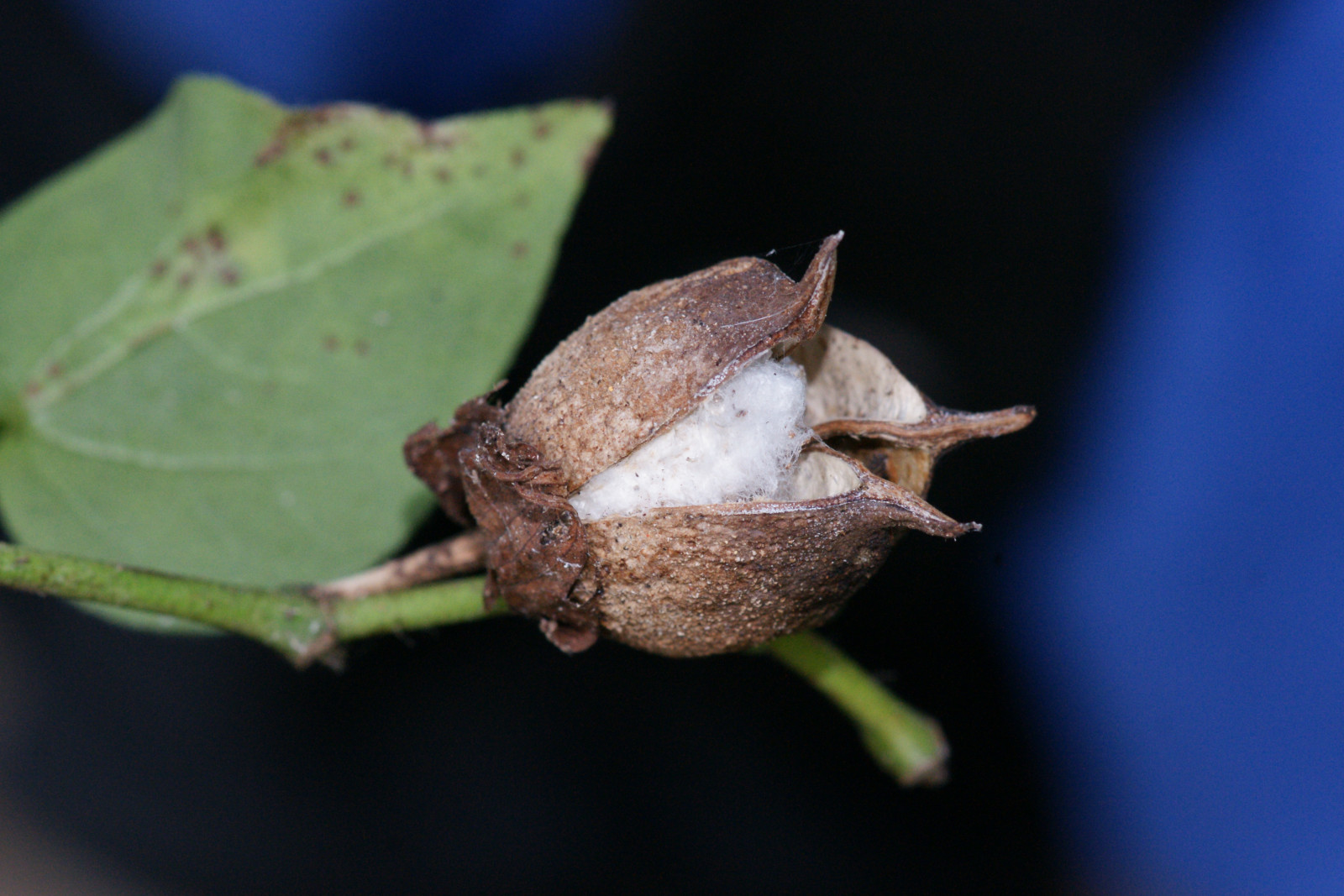
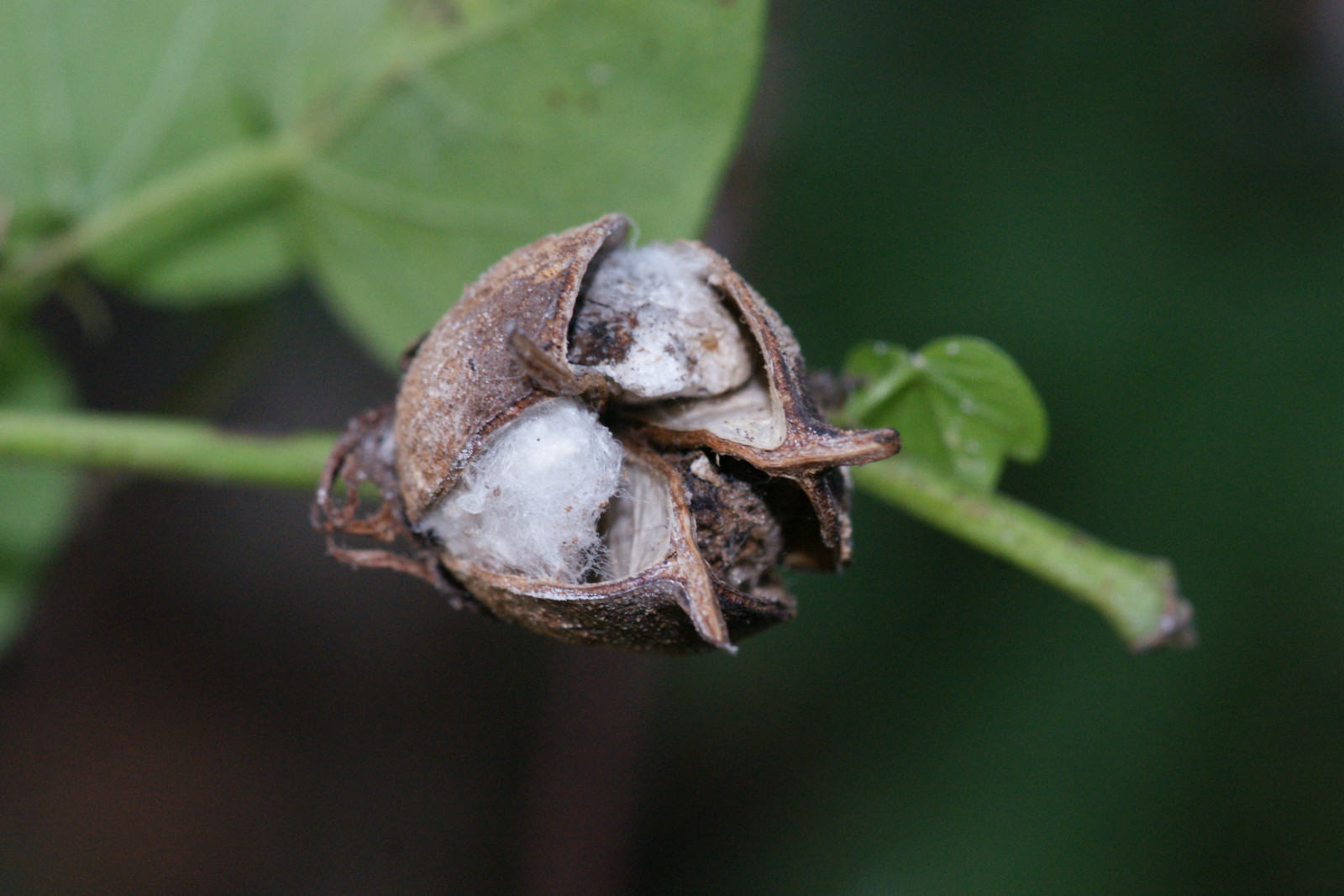
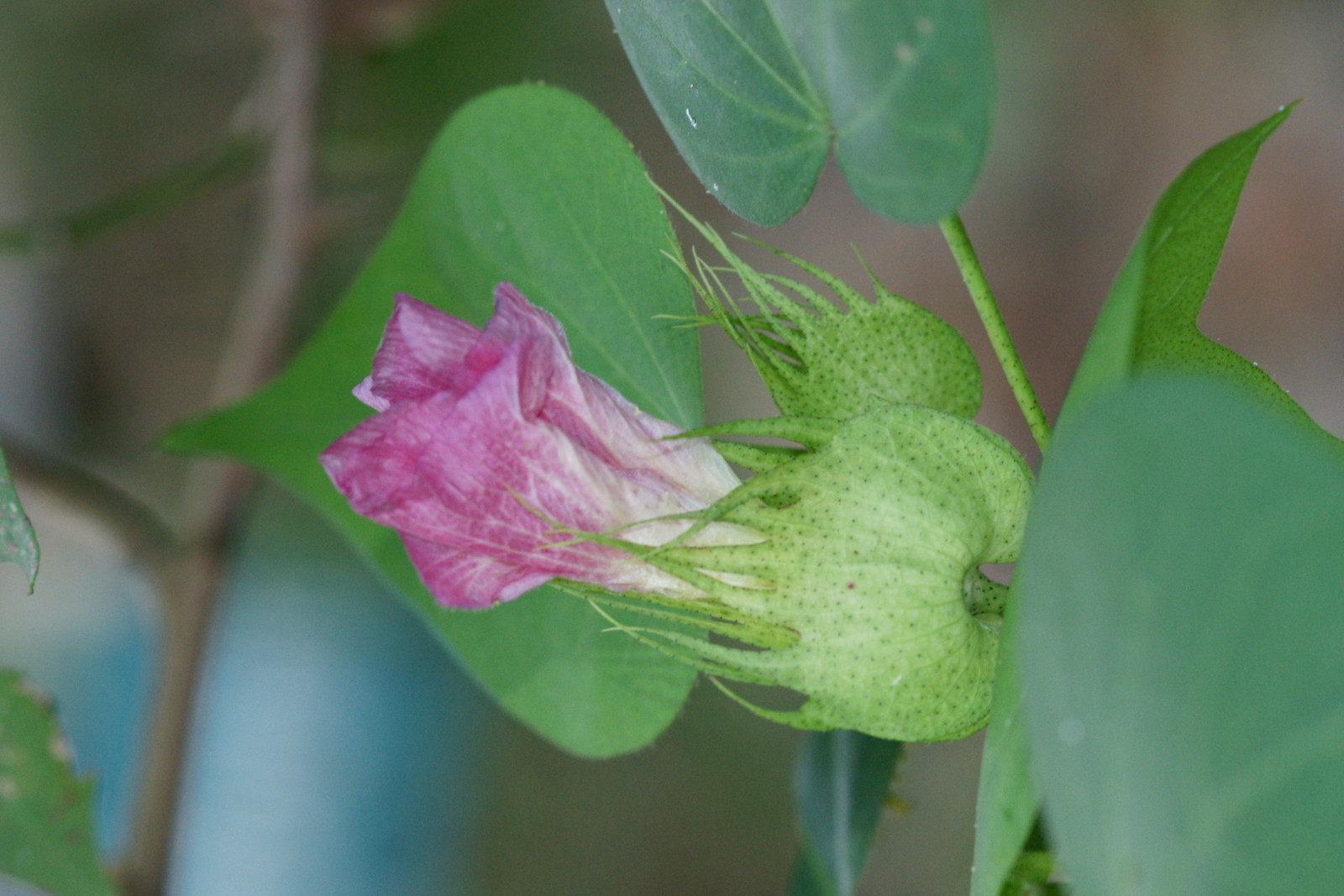
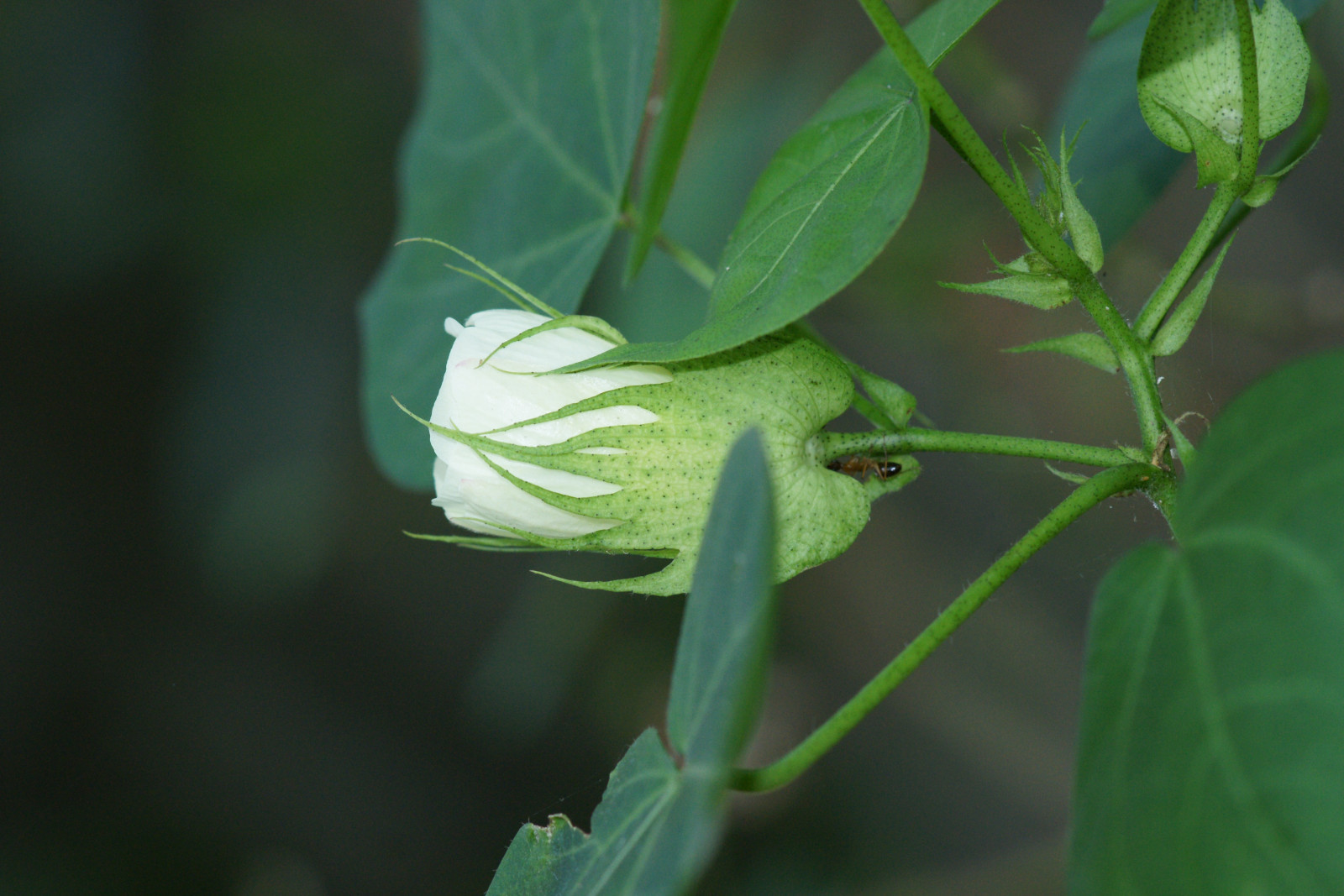
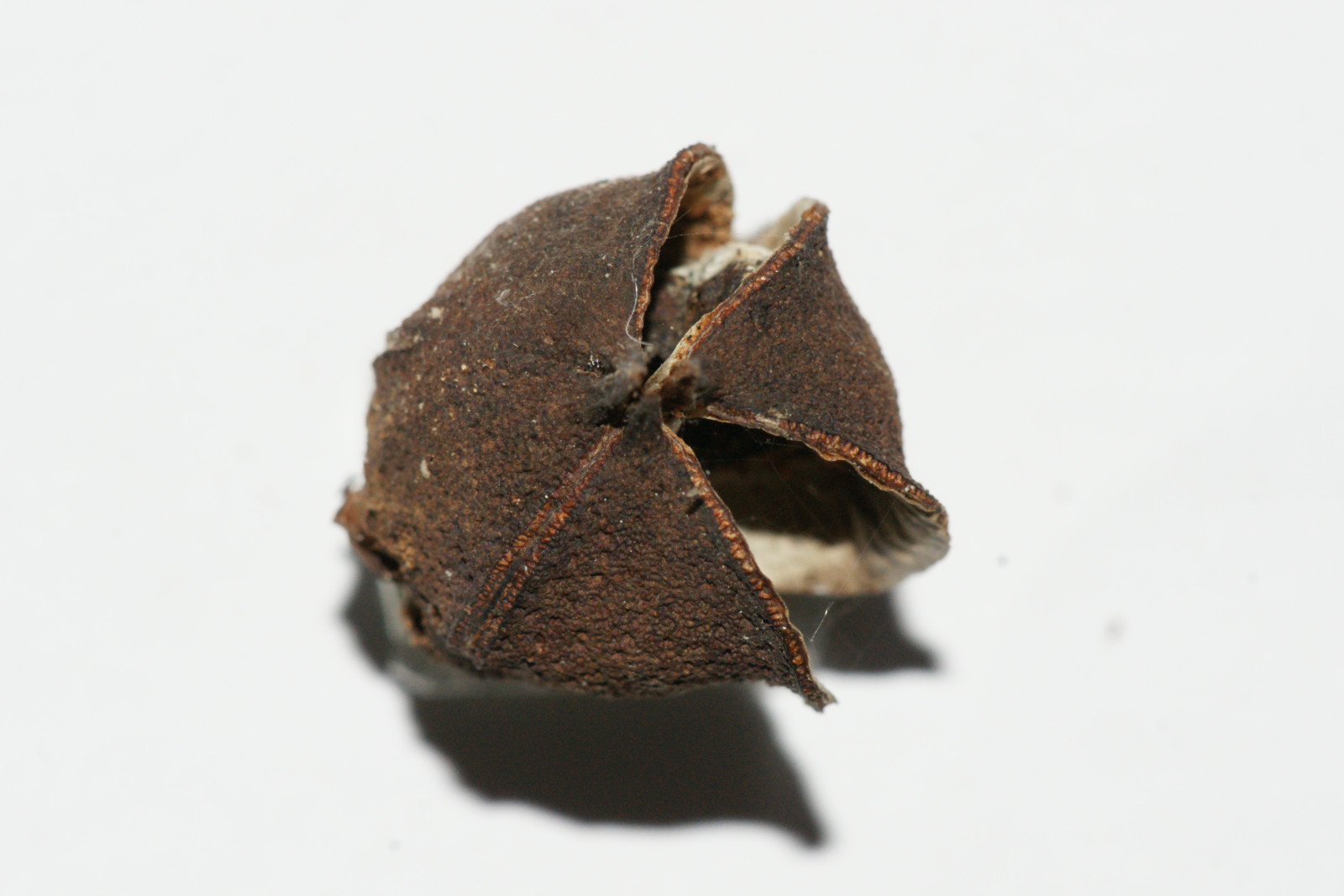
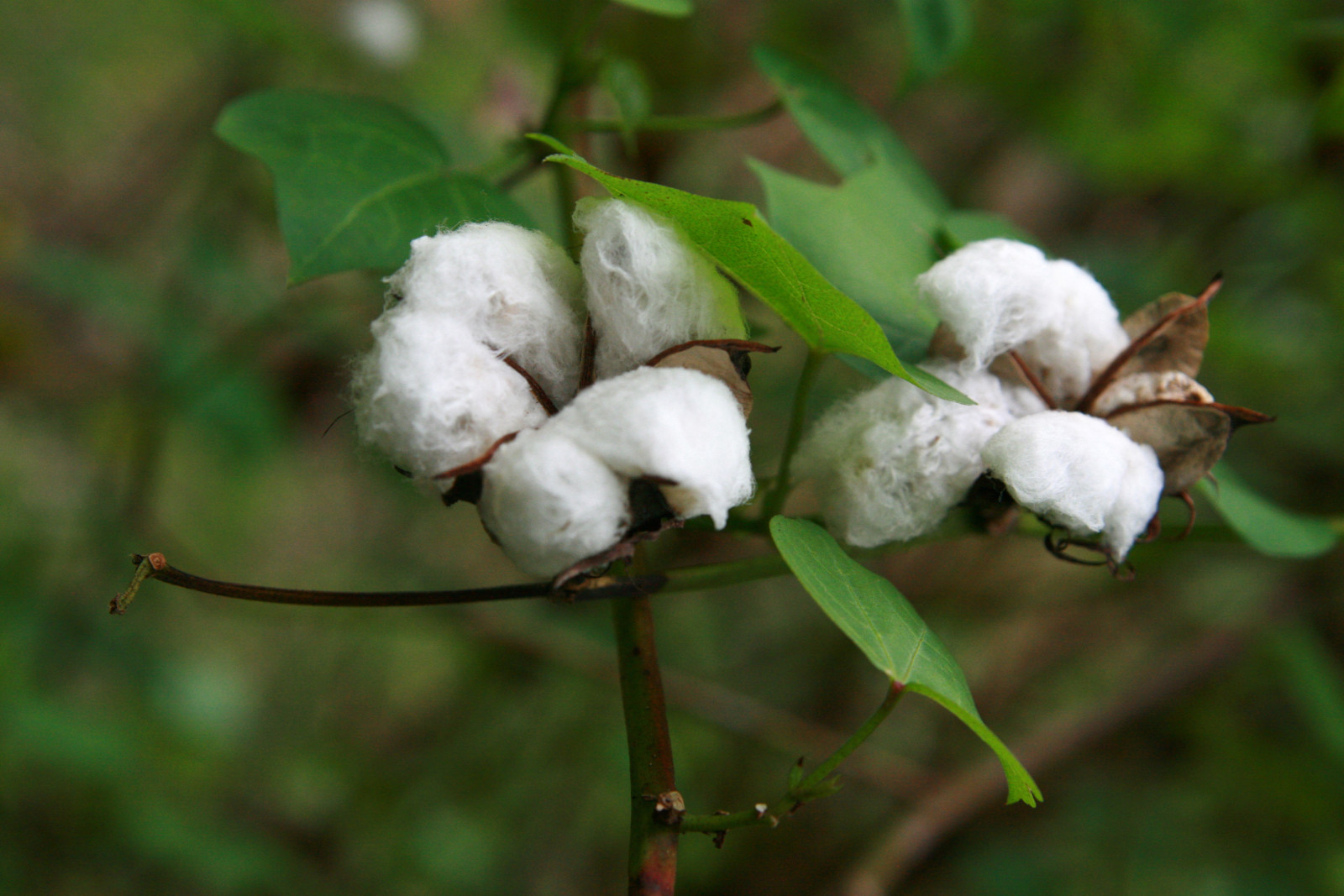
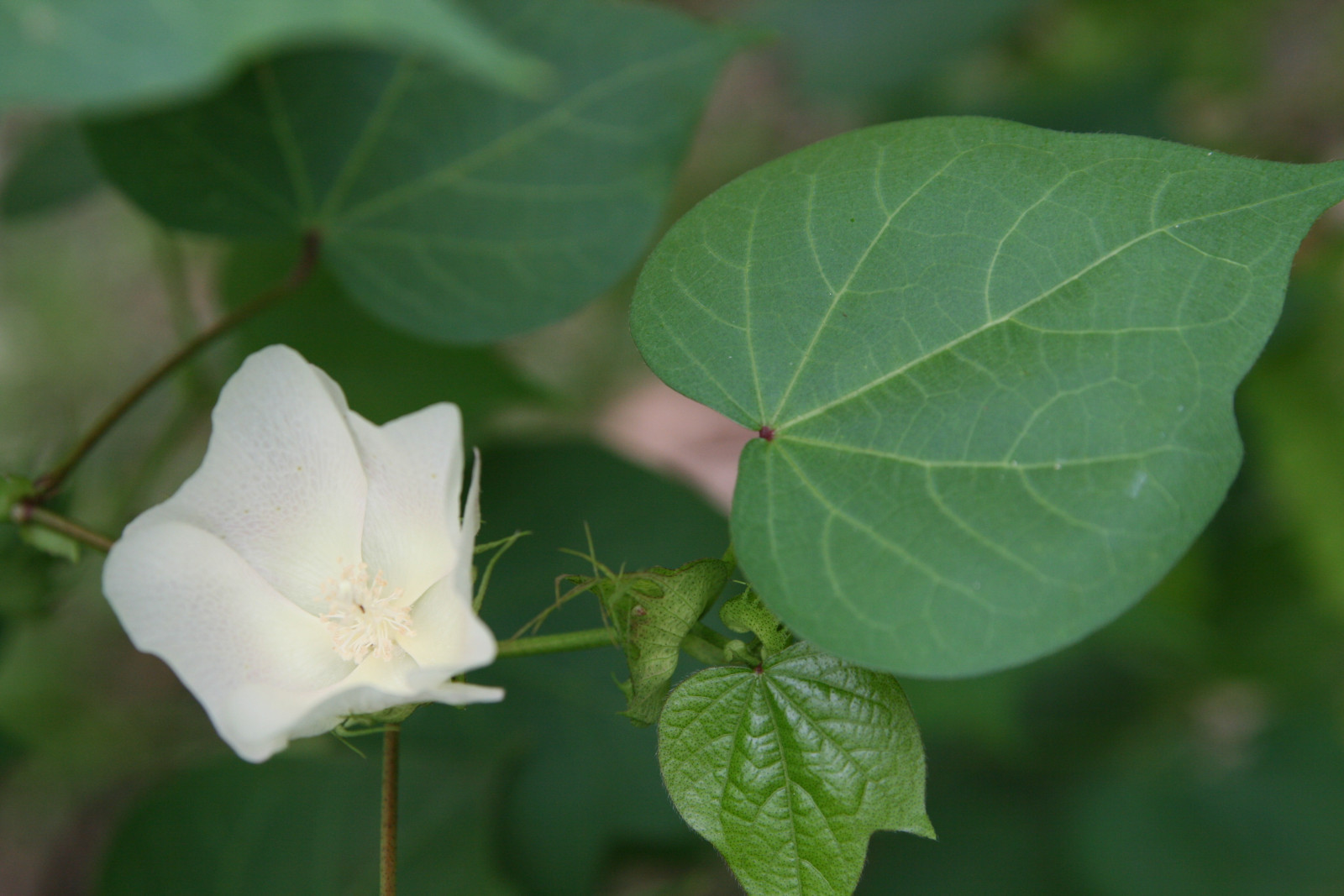
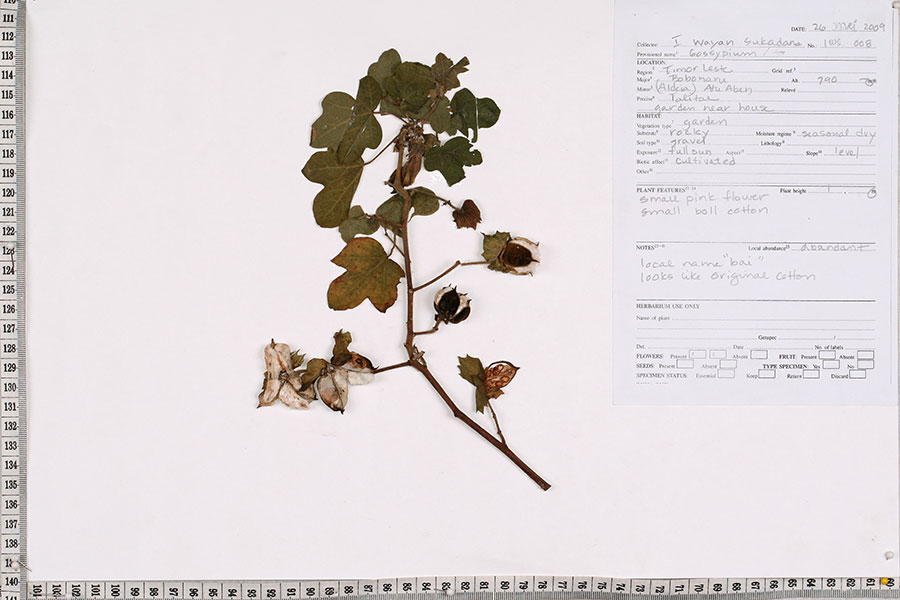
Cotton (Gossypium sp) is a type of flowering plant that comes from the Malvaceae family. This plant usually grows in areas with an altitude of approximately 1,000 meters above sea level, in tropical and subtropical climates, with good soil conditions and good drainage. Cotton plants have characteristics including growing approximately 1.5-3 meters, monopodial stems, wide, lobed and heart-shaped leaves with the number of lobes usually three to five and sometimes seven, white or yellowish flowers that then change to reddish or purple, dry egg-shaped fruit with a pointed tip that is pale green and skinned, egg-shaped seeds and not attached to the fiber. In each region this plant has a different name for example; in Boti it is called tufe abas, in Amarasi it is called hau kabas, in Sabu Raijua it is called wengu, and many more. And usually the part of the plant that is used is the flower which is used as the basic material for spinning yarn.
Kapas (Gossypium sp) adalah jenis tanaman berbunga yang berasal dari famili Malvaceae. Tanaman ini biasanya tumbuh di daerah dengan ketinggian kurang lebih 1.000 mdpl, di daerah beriklim tropis dan subtropis, dengan kondisi tanah yang baik serta memiliki drainase yang baik. Tanaman kapas memiliki ciri-ciri diantaranya yaitu tumbuh kurang lebih 1,5-3 meter, batang berbentuk monopodial, daun lebar, berlobus dan berbentuk hati (jantung) dengan jumlah lobus biasanya tiga hingga lima dan terkadang bisa tujuh, bunga berwarna putih atau kekuningan kemudian beruabah menjadi kemerahan atau ungu, buah kering berbentuk telur dengan ujung meruncing berwarna hijau pucat dan berkulit, biji berbentuk telur dan tidak menempel pada serat. Di setiap daerah tanaman ini memiliki sebutan yang berbeda contohnya; di Boti disebut tufe abas, di Amarasi disebut hau kabas, di Sabu Raijua disebut wengu, dan masih banyak lagi. Dan biasanya bagian tanaman yang digunakan yaitu bunganya yang dijadikan sebagai bahan dasar untuk benang pintal.Kapas (Gossypium sp) adalah jenis tanaman berbunga yang berasal dari famili Malvaceae. Tanaman ini biasanya tumbuh di daerah dengan ketinggian kurang lebih 1.000 mdpl, di daerah beriklim tropis dan subtropis, dengan kondisi tanah yang baik serta memiliki drainase yang baik. Tanaman kapas memiliki ciri-ciri diantaranya yaitu tumbuh kurang lebih 1,5-3 meter, batang berbentuk monopodial, daun lebar, berlobus dan berbentuk hati (jantung) dengan jumlah lobus biasanya tiga hingga lima dan terkadang bisa tujuh, bunga berwarna putih atau kekuningan kemudian beruabah menjadi kemerahan atau ungu, buah kering berbentuk telur dengan ujung meruncing berwarna hijau pucat dan berkulit, biji berbentuk telur dan tidak menempel pada serat. Di setiap daerah tanaman ini memiliki sebutan yang berbeda contohnya; di Boti disebut tufe abas, di Amarasi disebut hau kabas, di Sabu Raijua disebut wengu, dan masih banyak lagi. Dan biasanya bagian tanaman yang digunakan yaitu bunganya yang dijadikan sebagai bahan dasar untuk benang pintal.
Plant names will not be accurate until the relationships
between cultural groups, locations & languages are completed. Names, including english &
indonesian, are added via the plant edit view.
Local Name
Cultural Group
Language
Absa noon
Timor - Amanuban
Uab Meto
noon or noo = leaf
noon atau noo = daun
Bai
No cultural group given
Kemak
Source: extracted from herbarium spreadsheet 24-Mar-10
Hau kabas
Timor - Amanuban
Uab Meto
Source: extracted from herbarium spreadsheet 24-Mar-10 - IMM A42
Herbarium specimen IMM A42
Contoh tanaman IMM A42
Hau kabas
Timor - Amarasi
Amarasi
Source: extracted from herbarium spreadsheet 24-Mar-10 - IMM A42
Herbarium specimen IMM A42
Contoh tanaman IMM A42
Wolo
No cultural group given
Bima
Dictionary of Plant Names in the Lesser Sunda Islands
Wunta
No cultural group given
Bima
Dictionary of Plant Names in the Lesser Sunda Islands
Kampas
No cultural group given
Manggarai
Dictionary of Plant Names in the Lesser Sunda Islands
Kapas
No cultural group given
Kepo’
Dictionary of Plant Names in the Lesser Sunda Islands
Kampas
No cultural group given
Rembong
Dictionary of Plant Names in the Lesser Sunda Islands
Bhena
Flores - Bajawa/Ngada
Ngad’a
Dictionary of Plant Names in the Lesser Sunda Islands
Rawi
No cultural group given
Nage
Dictionary of Plant Names in the Lesser Sunda Islands
Bhena
No cultural group given
Nage
Dictionary of Plant Names in the Lesser Sunda Islands
Kab'a
No cultural group given
Palu’e
Dictionary of Plant Names in the Lesser Sunda Islands
Kamba
No cultural group given
Kodi
Dictionary of Plant Names in the Lesser Sunda Islands
Kaba
Sumba - Lewa-Kambera
Kambera
Dictionary of Plant Names in the Lesser Sunda Islands
Kamba
Sumba - Lewa-Kambera
Kambera
Dictionary of Plant Names in the Lesser Sunda Islands
Wengu
Raijua
Sabu
Dictionary of Plant Names in the Lesser Sunda Islands
Kapa
Flores - Krowe
Sika
Dictionary of Plant Names in the Lesser Sunda Islands
Kapes
Flores - Lamaholot
Lamaholot
Dictionary of Plant Names in the Lesser Sunda Islands
Apé
No cultural group given
Kedang
Dictionary of Plant Names in the Lesser Sunda Islands
Lélu
No cultural group given
Wae Rana
Dictionary of Plant Names in the Lesser Sunda Islands
Lélu
No cultural group given
Rajong
Dictionary of Plant Names in the Lesser Sunda Islands
Lélu
No cultural group given
Rembong
Dictionary of Plant Names in the Lesser Sunda Islands
Lélu (késo)
Flores - Bajawa/Ngada
Ngad’a
Dictionary of Plant Names in the Lesser Sunda Islands
Lélu
Flores - Ende-lio
Li'o
Dictionary of Plant Names in the Lesser Sunda Islands
Lélu nipon
No cultural group given
Wae Rana
Dictionary of Plant Names in the Lesser Sunda Islands
Lélu jawa
No cultural group given
Rongga
Dictionary of Plant Names in the Lesser Sunda Islands
Lélu nipo
No cultural group given
Rongga
Dictionary of Plant Names in the Lesser Sunda Islands
Lélu nipo
Flores - Bajawa/Ngada
Ngad’a
Dictionary of Plant Names in the Lesser Sunda Islands
Bhena nipo
Flores - Bajawa/Ngada
Ngad’a
Dictionary of Plant Names in the Lesser Sunda Islands
Plant uses now includes materials from the CDB. Does this
connection make sense? Uses are added via the plant edit view.
Category
Cultural Group
Material
Part Used
Color
Fibre & fibre craft
No cultural group given
No material given
No parts given
No Colour Selected
No informant given
Jean Howe
10 Aug 2010
The ripened seed is spun into cotton thread and made into textiles
Bijinya yang sudah tua melintir pada benang kapas untuk membuat kain traditional
Plant uses now includes materials from the CDB. Does this
connection make sense? Uses are added via the plant edit view.
No technique given
Motif information is coming from CDB. Clicking on the image
will take the user to the CDB motif show page in new tab. Motifs are added via the plant edit
view. Note: the motif has to exist already.
No motifs given
Specimens are added via the plant edit view or via specimens
index view.